MAR
11

"Grace" Fly Rod & Buying your first fly rod

Grace

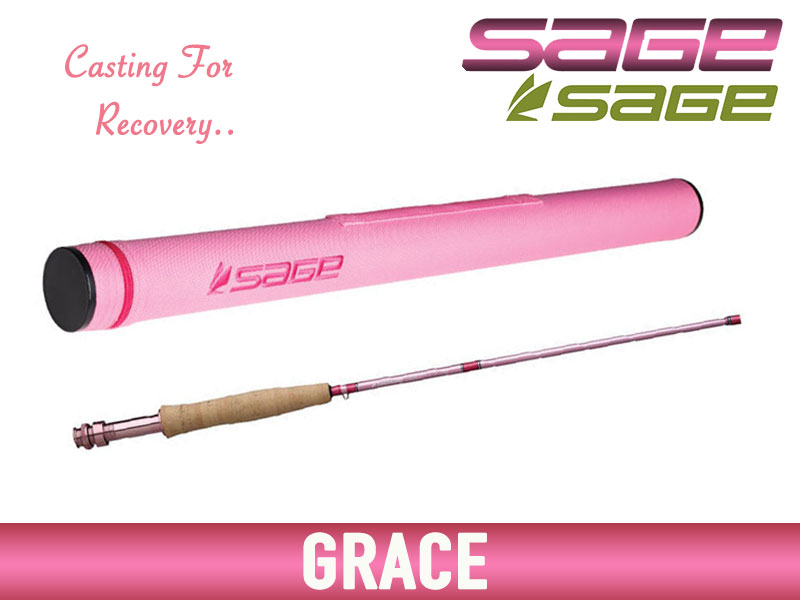
Sage's GRACE Fly Rod Raises Over $14,000 for Casting for Recovery

 Fly fishing industry leader, Sage Manufacturing, partnered with the breast cancer non-profit Casting for Recovery (CfR) in 2013 to raise funds for the organization. Sage committed a portion from every sale of the GRACE rod to go directly to CfR to support its work. Sage is pleased to announce that $14,050 was raised for CfR through the 2013 GRACE program.

Casting for Recovery is dedicated to giving women powerful tools to overcome the mental and physical challenges of being diagnosed with breast cancer. The CfR quality of life program takes women on multi-day retreats and teaches them to fly fish at no cost. Donations allow CfR to offer its programming to more women in need of support.

"We're thrilled about the success of the GRACE rod, and so grateful for the generous contribution from Sage," says Whitney Milhoan, the executive director of CfR. "The GRACE rod is beautiful and performs with the same amazing quality Sage is known for, but what makes this partnership extra special is knowing that the team at Sage really believes in the mission of Casting for Recovery."breast-cancer-ribbon

"The GRACE rod expresses Sage's enthusiasm to help breast cancer survivors the best way we know how—by building an elegant fly rod that's comfortable to cast," comments Sage marketing manager, Eric Gewiss. "We couldn't be happier about the success of the GRACE rod and our contribution to this great organization."   


Looking to buy your first fly rod? This was a question brought to us this week. For it and other recently asked questions, check out our Q&A pages

   I am buying my first fly rod as a trout fisherman, what should I buy? 
A 9' #5.  There are more 9' for 5 weight rods sold than any other rod.  That's because this rod will work best in most trout fishing situations.  You can take it almost anywhere in the world and have a suitable, if not perfect, trout rod.  It should be a medium-fast action so you can be comfortable fishing all fly types.  Price?  Buy the best you can afford.  Buy from a reputable company in case you need service later on, and make sure it has a lifetime guarantee, most rods do.

Continue reading
10045 Hits
JAN
30

Tom & Gerri Morgan's Story

Barry and I met Tom Morgan in the early 1980's at the Winston Rod Factory. In those days he, Glen Bracket, and Jerry Siem were already designing and building the finest rods in the United States, perhaps the world. We were in an old VW bus, camped along the Madison, and that visit to the Winston Rod factory was the highlight of our trip. A lot of water has passed over the dam for all of us since then. Glen is still making beautiful rods at Sweetgrass Rod Co., Jerry moved on to be Rod Designer at Sage, and I'm not sure what we are doing. But this beautiful story will bring you up to date on Tom and Gerri Morgan. We found it in MidCurrent. Thanks to Wright Thompson and Ross Dettman (and ESPN magazine) for their wonderful work.  -Cathy

http://espn.go.com/espn/feature/story/_/page/fly-rods/fly-rod-makers-tom-morgan-gerri-carlson-create-unity-universe


Continue reading
5640 Hits
JAN
28

Successful Show in Somerset, NJ

The Fly Fishing Show in Somerset, NJ, was this past weekend. The report is that the attendance broke all records, of course the weather helped! There were lots of presentations, dealers, manufacturers, seminars, destinations, and personalities. If you missed it, you missed a lot of fun. Be sure to put it on your calendar for next year!

Click on the link below to see some of our favorite shots from the weekend.

FFShow.pdf


Continue reading
Recent Comments
Roger Mulrooney
Hi Cathy & Barry it was great to see both of you again and the show was great as usual. My friend John and I are working out the ... Read More
Tuesday, 28 January 2014 16:55
4582 Hits
OCT
15

Barry's Sage Blog & Fall fishing in our backyard

I know that as readers you don't hear from Barry often.  Typically it's Cathy or myself blogging and that's because Barry's typically behind his camera giving us something to write about!  However, when Barry does write, it's always worth reading.  Here's a blog he did recently for Sage and I hope you enjoy hearing from him as much as I did.  Click Here to read Barry's Blog

Tres Valles  Dec 09505


Joe  I also wanted to let you know that we're having a beautiful Fall season here in NE PA.  The water in Fishing Creek started out low but the recent rain has helped a lot.  Fish are in great shape and it's a beautiful time of year to be on the stream as evidenced here by one of our regular clients, Joe Vacante. 

Continue reading
7436 Hits
OCT
09

New Zealand in February & Free Sage One Rod


Join us on our New Zealand trip and get a new Sage ONE Rod and RIO Grand fly line!

Continue reading
8272 Hits
JUL
17

Memos from the office of Barry & Cathy

We have a few things that we wanted to let all our friends & followers know about and thought that a simple "informational" blog would be most effective.

First on our list, we have a very exciting announcement to make. 

Continue reading
11857 Hits
JUL
09

Sage & The Becks in Vegas!

Sage   Barry and Cathy are on their way to the International Fly Tackle Dealer Show (IFTD) in Las Vegas this week.  At the show Sage will introduce their new rod models like the Motive and the Method.  We can't wait for you to try them out!  You can read more about them HERE. Photos of the show to come....

Continue reading
4918 Hits
JUL
02

New Circa Rod from Sage

Circa - Sage's Newest Rod
Circa from Sage


This is a beautiful video clip with Jerry Siem, chief rod designer at Sage. You'll enjoy the videography even if you're not looking for a new rod!

But while you're there, check out the Circa,  Sage's new slower action fly rod. Click the image to jump to the video.
Continue reading
5687 Hits
AUG
24

New Sage One Rod

The One is the new kid on the block from Sage Rod Company for 2012. This is an interesting 3 minute video taking us inside the Sage factory to hear Kurt Van Wyck, Director of Research & Development, Steve Greist, Material Engineer and Jerry Siem, Chief Rod Designer, tell us all about the new technology and the new One. We recently had the opportunity to take a seven weight to Alaska, fished it everyday for a week, and are simply amazed at how spot-on accurate and true tracking this new rod is. The One is 25 percent lighter than it's predecessor, the Z-Axis, and has a much more sensitive feel. You can actually feel the line working on the rod, and that is one of the main aspects of the new technology at Sage. What we like most is that the new One is lighter, more responsive, more accurate, more sensitive than any fly rod up to this point. A pleasure to cast and fish. Check out the video and then stop at your local Sage Dealer and try the new One.
Continue reading
4761 Hits
JUN
13

Gloves & Stripping Fingers

As I write this we are in Cancun waiting to fly home. We've just spent a week at Isla Holbox, Mexico, for tarpon of all sizes. Isla Holbox is a lovely island, great lodge, great fishing. One of the most appealing aspects of Holbox is the fishing for baby tarpon (ranging from about 7 to 30 pounds) in the lagoons and rivers the crisscross the island. And during the migratory tarpon season there are big tarpon on the flats outside the island.

We use Sage Xi3 rods, 9 weights for the baby tarpon and 12 weights for the big tarpon. Any good size tarpon from about 15 pounds up is going to put up an impressive fight, and will jump with all his might again and again. It's explosive, fast moving action and you have to be ready to let him run while still keeping tension, get the line off the deck and out through the guides without any snafus. Having good gloves, stripping fingers, and/or tape will save your hands from line cuts. The line comes off the deck with such speed and friction that it's impossible to hang onto it without some protection on your fingers. And, if there is any sand on the line it will cut your hands as well.

We would sit at breakfast sharing stripping fingers and tape. Most of us prefer the stripping fingers as the tape sometimes loosens and it often starts to lift and then you've got an edge that the line can hang up on. When I do use tape, I find the best is the tape used in equine barns to wrap the hoofs of show horses. It comes in about 5" rolls and often costs less than $5 a roll. I cut it into about inch-wide strips and wrap my fingers. The tape is sticky and holds pretty well, but the stripping fingers are still best. My favorite gloves are Dr. Shade gloves with Polyurethane palms. The PU on the palms helps me get a better grip on the rod with wet hands and it wears better than nylon palms. They also help when working with fish. I find these gloves combined with stripping fingers are the ideal solution.

I use gloves and stripping fingers (finger guards) for peacock bass and chum salmon as well. When I'm wading and fishing for bonefish I use them because of the sand and shell grit that comes up with the line when the fish runs. The gloves also offer protection from sunburn. I get my stripping fingers from Sea Level Fly fishing, contact This email address is being protected from spambots. You need JavaScript enabled to view it..

When that fish takes off, you want to be ready to get things under control immediately. You can't do that if the line is burning cuts into your hands. Protect them from line cuts and you'll enjoy your fishing even more.

 
Continue reading
12514 Hits
APR
08

Choosing Your First Fly Reel

When putting together our first fly fishing “outfit” (rod, reel & line), we find ourselves making decisions about equipment that we probably don't know much about. This is when having a local fly shop is a very nice advantage. They have the expertise and knowledge to assist you with your selection. Arming yourself with some knowledge a head of time will help whether you can visit a fly shop or if you call a mailorder company.

A fly reel doesn't get a lot of attention but it is an important piece of gear and there are certain aspects of a fly reel that should be taken into consideration (beside cost) before making a decision on which model to buy.

The job of the fishing reel is to hold line. This is true whether you fly fish or fish with a spinning or bait casting rod. When retreiving, the line should go on the reel smoothly and evenly. Likewise, when a fish is running the line should also come off the reel smoothly and evenly without getting tangled. If the line doesn't come off the reel smoothly when the fish is running it could cause the fine leader to break. When you're winding line on the reel it's helpful to run the line between a couple fingers of your rod hand adding a little tension. This will help the line go on the reel in tighter coils which will help prevent the line from tangling on the reel.

When a fish is running line off the reel, it is the drag that keeps the line from getting tangled (if it was tight going on the reel). Drag is the tension on the line as it is leaving the reel. Most reels will have a drag knob which increases or decreases tension. If the drag is set too high for the strength of the leader you're using then the fish will break off. If it is set too light then the line comes off too quickly and the angler can't control the fish. Experiment with your drag setting by pulling line off the reel at different settings. If you're not sure what the drag setting should be, set it in the middle of the range until you become familiar with how it works. You'll know better after you've caught a few fish.

If the reel is an external rim model you can also “palm” the reel as the fish is taking line off the reel. The outside of the reel revolves in an external rim model. If the spool revolves inside a fixed frame than it can't be “palmed”. By palming the reel you can put light pressure on the spool as it turns and that will slow down the fish. A word of caution though – keep your fingers away from the revolving spool and reel knob when the reel is spinning.

A less important consideration is whether you like the sound of the reel. Reels sound differently from one to the next and usually the more expensive models are not as loud. Of course this is personal preference. Some anglers like to hear their reel as the fish is taking line off the reel and as they are reeling the line back on the reel. Most reels have a soft click as the line comes back on the reel and a louder click as the line is coming off the reel.

Most reels are easily converted from left hand wind to right hand wind or vise versa. Most of us today who cast with our right hand, reel with our left. You can, however, cast with your right hand and when you hook a fish, change hands, put the rod in your left hand so you can reel with your right hand. Either way works. For me I would rather not have to change hands when I've hooked a fish so I like to reel with my left hand. If you have more than one fly fisherman in the house, it's less confusing to have all the reels set up the same way. If that's not possible, make sure your reels are clearly marked so you don't get them mixed up.

To change the drag you take the spool out of the reel frame and usually flip a spring or a disc over to make it work in the opposite direction. Instructions should be included with your reel or if you buy it from a retail store, they will be able to change it for you. If you ask, most mail order companies will also switch it for you when ordering. If the reel has line on it and you switch the drag, you will then have to take all the line off the reel and wind it back on in the opposite direction so the drag is on the outgoing line.

Another consideration is weight and size. If you are buying a 5-weight rod, you will be buying a 5-weight fly line and thus will need a reel for a 5-weight line. If you buy a reel that is too small it may not be able to hold all of the line and backing (we'll discuss backing when we talk about fly lines). If the reel is too big the line and backing won't fill up the reel. This reel will be too heavy for the rod and will be cumbersome to fish with.

The actual weight of the reel is also important. When you look at a selection of reels that are compatible with a 5-weight line, you will notice quite a variance in weight. The weight of the reel is determined by how technical the drag is inside the reel and by the material used to manufacture the reel. Lighter materials like aluminum and carbon fiber are often found in the more expensive reels while the less expensive reels are often made from die cast. These are all very good materials. Be aware of the difference in weight and buy the lightest reel that is within your budget.

Another consideration is the availability of spare spools. You should start out fishing with a floating line which is what we use most of the time. But later on you may find that you want to buy a sink-tip line to use when the water is deep and the fish are down on the bottom. If you buy a spare spool for your reel, you'll be able to take out the spool that has the floating line on it and insert the spool with the sink-tip. Having a spare spool will make it easy to switch back and forth between the two lines and the spare spool costs less than buying second reel.

Like matching the fly line size to the rod, it's also important to match the size of the reel to the rod and line. While price often dictates what we purchase, keep the following points in mind while shopping for a reel:

1.Is it the correct size for the line you're using.
2.Does it have a drag adjustment.
3.Are spare spools available.
4.Can it be changed from left to right hand retrieve.
5.Do you like the way it sounds.
6.Is it made by a reputable company? If it needs to be repaired someday you'll want to be able to contact the manufacturer.

If you ask me for a couple of personal suggestions, I would recommend a reel like the Sage 1650. It can hold a 5-weight line and about 120 yards of 20 lb. backing, it's fairly lightweight, well made, and has an excellent drag. It's easily converted from left to right hand wind, spare spools are available, and it is large arbor. It retails for $99.00 and is a reel that you won't “out grow” and will be happy with years from now. There is also a 1680 for 7-9 weight lines. Sage

A second choice would be the Redington Crosswater CW2 4/5/6. Similar construction and features. I don't think the drag is as good as the 1650 but a very nice reel for the money. Reel retails for $55.
Redington
Continue reading
Tags:
27962 Hits
MAR
10

Choosing A Flyrod


I can't tell you how many times people come up to us while we're in the Sage booth at Fly Fishing Shows and ask the question, "I'm just getting started in fly fishing. What should be my first rod?"


Of course at the shows, we have 90 rods on display representing at least 9 different "families" of rods, so I can imagine how intimidating this is for a brand new fly fisherman. But, actually the answer is not that difficult with the proper explanation.


There are many words used to describe the action of a fly rod. In layman's terms, what we are talking about is how little or how much the rods bends or flexes at the end of the casting stroke. In the industry we call this rod load. A stiffer rod bends less, thus making it a fast rod. Because it doesn't bend a lot, it generates fast line speed which can be very advantageous in some fishing situations, but this feature does not make it a good choice to use when learning to cast.


On the other hand, a soft rod bends more. This rod will protect lighter tippets and will give you a lighter, softer presentation on the water. But, like the fast rod it will not be a good rod to learn with because it takes a long time to recover from the bend or flex and your timing will suffer.

So, the perfect rod is somewhere in between, or what we call a medium-fast rod. If the caster can feel the line load the rod it will you establish the timing and rhythm of the cast. This is the first step to beginning to feel comfortable with fly casting.

The length and line weight is also a consideration. It's easy to think that a shorter rod will be an easier rod to start with, but that's not true. The most popular lengths rod for learning to cast is also the most popular lengths sold for general all around fishing and and that is 9'.  That said, I must admit that I like an 8-1/2 ft. too only because it's a
little lighter and not as tiring for a new caster, but either is a good length to start with and a useful length to use when fishing.

You will need to choose a line weight as well. This is the number assigned to the fly line which must match up with the rod. Rod manufacturers make this easy for us by putting the preferred line size on the rod blank usually close to the handle. If you look on the rod it will say something like, "9' #5 line". It it telling you the length of the rod and the line size that works best on the rod.

Line sizes range from 000 to 16 weight or from very very light to very heavy. If you're going to fish for trout and panfish though a line size of 4-5-6 should be your choice, and a 5 is my favorite to use when teaching someone to cast.

Therefore my favorite rods for teaching are medium-fast rods, either 8-1/2 or 9 feet in length for a #5 line.

If you were to ask me for a recommendation, I would suggest a Sage Vantage rod.

The Vantage is a medium fast fly rod and one that I particularly like and use in casting clinics. It's medium priced (in the range of beginner rods) and is available in 2 or 4 piece. It's also available as an outfit (rod, reel & line outfit).

An 8-1/2', #5 line, 2-piece, Vantage is $225. The 9' #5, 4 piece rod is $250 and the same rod in the outfit is $495, and includes a good reel and line.

For more information visit Sage, or visit your local Sage dealer.
Continue reading
Tags:
7592 Hits
FEB
13

Turning over long leaders

As I write this we have been in New Zealand for about 2 weeks. Our trip is about two-thirds over already. New Zealand is known for it's difficult technical fishing. Here on the South Island there aren't a lot of fish, at least not a lot compared to the well-stocked trout streams of Pennsylvania, our home state. That said, there are no stocked trout on these rivers. Each one is a wild fish and each one has survived floods of astronomical proportions, some each year. They are the strongest, smartest survivors. All the others are long gone.

On an average day of fishing, we probably walk 5-6 miles. Some days are shorter hikes, most are longer. Some days if we're lucky we may see a big fish about every mile. Once in a while we might see a couple fish within a short distance of each other but more often than not they are spread out with a lot of water and rocks in between. As if getting to these fish weren't difficult enough, once we find them it can really get technical. Someone once told me that a poor cast doesn't catch any fish and it's more true here than anywhere else.

Our go-to rods this trip are both Sage Rods, a 9' TCX and a 9-1/2' Z-Axis, both 5 weights loaded with Rio Grand willow floating fly lines. We usually keep one rod rigged for dries with a Chocklett cicada, parachute Adams, or Chernobyl beetle. The second rod almost always has two nymphs and often one or both will be a tungsten bead head. Most of the time our leaders are about 18 feet long. Add a pretty stiff breeze, sometimes gusts, and most of the time it seems that the wind is coming straight at us making the cast difficult to turn over and put in the right place.

There have been a dozen times (perhaps my guide would say more) when we finally find a fish, he's moving around feeding, and therefore "catchable". I get into position, get the line out, false cast out to the side of the fish carefully measuring my line only then to drop it either too close or too far upstream, too far right, or too far left. On occasion when I do drop it exactly where I want it, the current grabs it and it either pulls it out of his feeding lane or it drags. If everything is perfect (and I do mean everything), then the fish will usually eat the fly. If I continue to be lucky I will strike at the right nano-second and hook the fish. Then it's a contest to see who is the fittest - him as he races upstream and down or me as I try to dance across the rocks both wet and dry trying to stay connected. Once in a while I win, once in a while he wins.

One of the problems is that first cast that didn't quite work out the way I wanted it to. Probably with trout everywhere, but especially here, if he doesn't eat the first cast he is put on alert and then becomes much harder to fool. It's not to say he can't be caught, but you've just stacked the odds more in his favor and less in yours. Making a good first cast is so very important. It's bad news if it lands wrong or if the leader doesn't turn over and turning over a 18' leader with tungsten bead head nymphs is not for the faint of heart, however there are a couple things that can help us get the job done.

The first thing is to be sure of the amount of line you're casting. This much I've learned the hard way. Thankfully there is usually a white wool indicator on the leader. By casting out to the side of the fish you should most of the time be able to judge how much line you're casting and know when you've got the right amount. Then move the cast back to where the fish is and present it. If you false cast over the fish you will run the risk of him seeing the cast, the indicator, or the shadow of the line.

The second thing that helps me is to not watch the fish but concentrate on the spot up in front of him where you want your fly to land. Your cast will have the tendency to go where you are looking. If you're concentrating on the fish you may hit him on the head with the flies and trust me, they don't like that.

If you're not comfortable casting such a long leader and most of us aren't, get 3 or 4 feet of fly line out beyond your rod tip before starting to cast. When walking from one spot to another, hook the bottom nymph in a snake guide pretty far up the rod and then bring the leader back around the reel seat and reel in the slack. When you're get ready to cast again, pull a couple inches of line off the reel and drop the line from around the reel and while still holding the leader, tap the rod blank and the fly will drop out of the guide. Before letting go of the leader pull some extra fly line out beyond the rod tip with your free hand. Then toss the leader into the water, do a quick roll cast to get it out in front so you can then pick it up and start to cast. This is also a good trick for fishing streamers or nymphs back home with split shot or a sink-tip.

It's important that you remember to lengthen your casting stroke as the amount of line increases that your casting. In other words, as you shoot line thus increasing the amount of line that your casting, lengthen the stroke. Take the rod further back in the back and in the front. Many times, just a couple inches in each direction will smooth out the cast and make it more manageable. Remember the quick stop with the rod tip at each end of the casting stroke so you don't sacrifice line speed.

Another thing that will help a lot is a good sharp single haul at the end of the forward cast to help increase line speed and turn over the long leader and heavy flies. Whenever you need more line speed, it will be easier to get it from a good haul (in the right place) then to try casting the rod harder which can result in a tailing loop. In this example, it's important to put the haul at the front end of the forward cast. Don't spread it out over the entire casting stroke because you'll waste most of it. Wait until the rod gets in front of your shoulder before starting the haul.

The last thing is to make sure you're far enough behind the fish to make a cast using some fly line. It's easy to sneak up behind the fish and sometimes we can get so close that we don't have much line to cast. This is especially true in rough water or when the fish is deep. By getting back a bit further we put more distance between us and the fish, therefore using more fly line to reach the fish which makes the cast easier to execute. It is much harder to cast just the leader when you're close then it is to cast a few yards of fly line and leader. Simply backing up may make the cast easier in the long run.

Places like New Zealand make us become better anglers. So much of the time, it's little things that we can do that make us better fishermen. That said, I think my guide is waiting for me. We'll see what today brings! Cathy.


Continue reading
8849 Hits
AUG
03

Choosing a Digital Camera

Choosing a  Digital Camera
As trip hosts and photographers for  Frontiers International, www.frontierstravel.com, we're often asked about cameras and lenses and what's a person to do when it comes to selecting a camera or camera system. Considering the investment involved, we offer these tips and pointers to keep in mind if you're in the market for a new camera.


Remember when you went back to your film lab and waited for the prints to come back from processing and then waited again for reprints to send to family members and friends? Well, those days are gone, thank goodness. With digital we now preview the images in the camera and delete any that we don't like. The memory card in the camera stores the photos that we later download to our computer. The card is reformatted and ready to be used again and again. We can easily share photos by email or online galleries or choose photos we want to print, and with one or two clicks, print them at home! With easy-to-use software editing programs, we can have our own digital darkroom right in our computer. This software can brighten, straighten, get rid of red eye and crop with minimal effort. And, if we don’t want to print at home, there are online print labs ready to help.

We are frequently asked which to consider, a point-and-shoot or an SLR? This question is almost always followed with how many pixels are needed? A point-and-shoot has a fixed lens. With an SLR (single lens reflex) you have the flexibility to interchange lenses. We use both in our travels. Many  point-and-shoot models are the size of a cell phone yet produce stunning images - and shoot video. These cameras are perfect to keep handy in a pocket, purse, fishing vest,  or fanny pack It's a perfect camera to use for instantaneous or impromptu shots

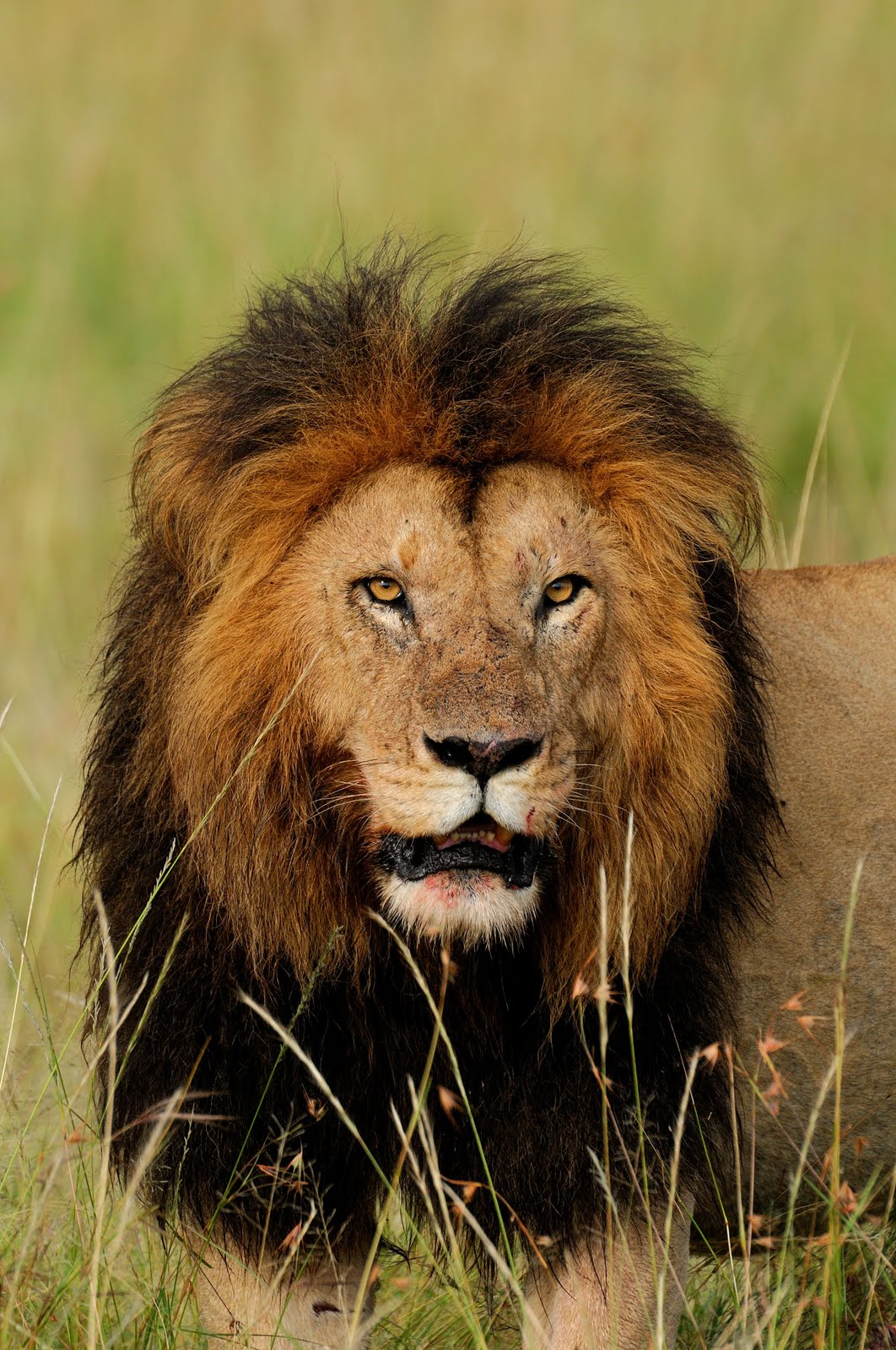
If you want to take it to the next level and are serious about landscapes, portraits, wildlife or bird images, then the flexibility of being able to switch back and forth from a wide-angle lens to a longer focal length (80-200mm or more) to pull in your subject becomes very important. When photographing people it's nice to have the option of a longer lens at times so you don't have to get in their face. On the other hand, if it's your grandson's first birthday, you do want to get close. In wildlife photography, you wouldn't want to walk up to a black mane lion - you'd want a longer focal length. So, we have choices.

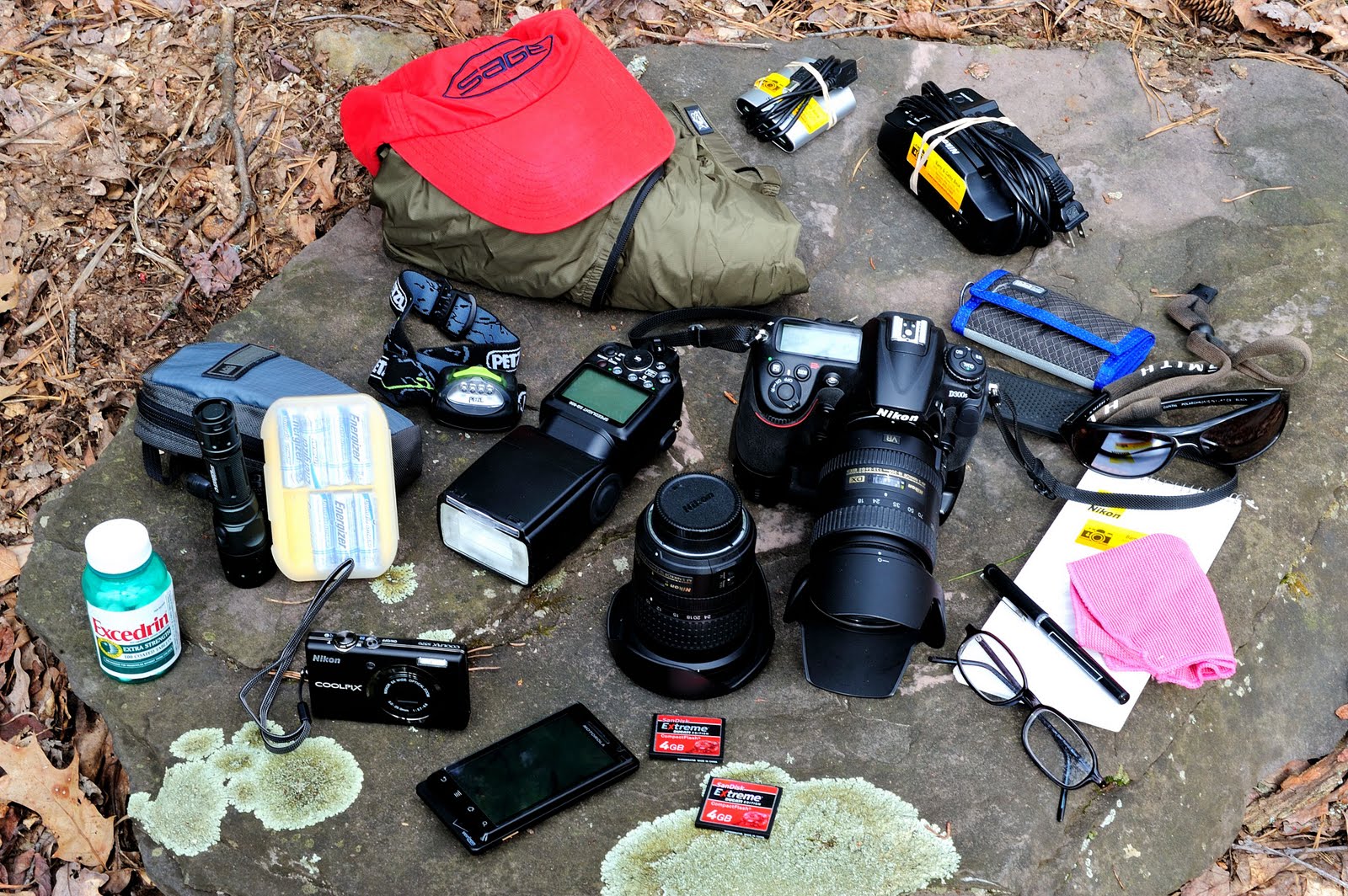
Our choice in a point-and-shoot camera today is a Nikon COOLPIX S8000. This slim, handsome camera sports a 3-inch high resolution color display which makes previewing easy, is extremely fast for a point-and-shoot (ISO settings of 1600 are possible) and it offers a 10X zoom with VR (vibration reduction) image stabilization which equates to a 28-280 lens. Also included is Nikon D lighting for better exposures and a High Definition movie mode with stereo sound. The S8000 offers an advanced on board flash and a macro setting that allows focusing as close as 1cm or 0.4 inches. All of this and 14.2 mega pixels gives you a incredible point-and-shoot camera.

When it comes to an SLR for the more serious photographer, take a look at the Nikon D90. Add a 18-200 DX Nikor zoom lens with ED glass and Vibration Reduction and you have an affordable combination that you can travel the world with. The D90 offers 12.3 mega pixels (not as many pixels as the S8000 but bigger), high ISO (200-3200), HD Video with live view, Nikon D lighting and advanced scene modes that automatically adjust exposure for superior picture quality. The D90 comes with NikonView NX Software that makes image browsing and organizing easy.

On a pro level the Nikon D300s is the real deal, offering a 12.3 effective megapixel camera that
fires 8 frames per second in a durable magnesium body. The 300s D-movie function includes an external microphone input for clear stereo sound recordings while the large bright view finder is easy to see for previewing. We own three D300s Nikon cameras. It's our go-to camera. It's probably obvious by now that we are loyal Nikon fans and there is good reason. Nikon helps us make great images and they never let us down. You may agree that money can't buy happiness, but it can buy quality. With our Nikon cameras and Sage fly rods, we know the rest is up to us.

If you want to photograph wildlife then you’ll need a longer lens (300 mm or longer) for your SLR. There are a lot of choices in lenses and good glass is on the expensive side. Our 200-400 comes in at about $7,000 and our 80-400 at $1,650. But a lens that is a real sleeper is the Nikon 70-300 VR at $590. This is an extremely sharp lens and although it’s slower than the big glass in the 200-400, with the higher ISO’s on the D90 and the D300s, it will give you magazine quality images. Get all the technical information on these cameras and lenses at http://imaging.nikon.com/products/imaging/index.htm.


On another note, a good, personal, hands-on camera store is getting hard to find and most of the
big box stores are great on price but lack the kind of service we all long for. We have used
Roberts Distributors in Indianapolis for all of our photographic needs for the past seven or
eight years and we highly recommend them. Our contact there is Jody Grober at This email address is being protected from spambots. You need JavaScript enabled to view it. or 800-726-5544. Roberts is price competitive with all the New York and California dealers but their personal service is simply golden. Jody is also a fly fisherman and just a great guy who is always there to help us with our camera questions. If you have a local dealer that you’re happy with that’s great; but if you don’t, please feel free to use our name and give Jody a call.

Good pictures generally have three basic ingredients: Good light, good composition, and capturing
the moment. Think about all the times that we have looked at something and thought,
“Wow, that would make a great picture” or “I wish I had a photo of that to show my friends
and family.” We’ll have that treasured moment if we remember to take our camera along on
our next trip and, of course, if we take time to make the shot.
Continue reading
24725 Hits
MAY
19

Tying Cathy Beck's Super Bugger


Sizes: 6 & 8
Colors: Tan, Black, Olive
Hook: Tiemco 3761
Thread: Tan, Black, Olive
Tail: Tan, Black or Olive Blood Feather overlay 6 strands Krystal Flash in corresponding color.
Rib: Hareline dyed grizzly hen body feathers, available from AA Outfitters,
800-443-8119 or Tan, black or olive.
Legs: Two rubber sili-legs. Root beer, black or olive.
Eyes: Lead eyes painted yellow and black. XS on size 8, small on size 6.
Head: Spiked dubbing figure-eighted around the eyes. Or, dubbing brushes if available.

The idea for Cathy’s Super Bugger was to design a fly that would create more underwater vibration or noise which would help fish locate and find the fly. The combination of a thick web hackle body and sili-legs pushes the water as the fly is retrieved, creating noise and vibration. Having the eyes tied ontop of the hook inverts the fly as it is being retrieved, gives it a more leech-like action in the water, and keeps it from fouling on the bottom.
Super Bugger Tying Steps:

1.Secure the painted eyes at the thorax positon of the hook by figure eighting with your tying thread. This is approximately a quarter of the hook shank back from the eye. Coat the thread windings with super glue and let dry.
2.Take the tying thread back to the rear of the hook shank.
3.Tie in the 6 strands of Krystal Flash. It should be the length of the hook shank.
4.Tie in the marabou tail, same length.
5.Tie in the first of the grizzly hen body feathers. Wind the hackle forward toward the hook eye, but keep it tight. The idea here is to build bulk with hackle. Once you've finished, tie in the next hackle in the same manner. It may take four hackles to complete the hackle body.
6.Tie in the two silli legs by figure eighting them with thread around the hook eye. They should be sticking out from the sides and the length of the leg should be the same on each side.
7.Figure eight the eye with a spiked dubbing to create a head.
8.Whip finish and the fly is done.

Tips:

Marabou shorts (or blood feathers) work best and in the end are more efficient than buying a plume.

Coat your painted lead eyes with Sally Hansen's Hard As Nails. They will hold up better. (In the cosmetic section of your pharmacy).

Remember to open up your casting loop with any lead-eye flies. This used to be called chuck and duck fishing. Also, with a tight loop the fly could potentially hit the rod blank and break it. If you're a Sage customer, this means your Z-Axis is going to be better than your TCX.

Vary your retrieve speeds and remember to set the hook with your line hand and not the rod tip. If you miss the fish the fly will still be in the game and the fish may take again.

Black works best in off-color water. Tan is the perfect color for any stream or river that has a crayfish population.
Continue reading
17301 Hits