Our fishing tactics should change a bit as we move into summer conditions. This week, Jim Kukorlo, our head guide, gives us some pointers on how to be more effective anglers at this time of year.
Summer Tactics
Fishing the Dry Fly Dropper
Cathy asked me to write something on summertime fly fishing tactics. Which is usually perfect timing since July usually means lower water conditions and hot weather conditions. Well, almost perfect timing expect with all of the recent heavy rains Fishing Creek looks more like May then July. Which is good for the fish and it keeps us fishing longer into the summer.
The dry drop is simply tying a piece of tippet material 18 to 30 inches long to the bend of your dry fly hook and then tying a nymph to the tippet as your drop fly. The dry fly now becomes your strike indicator if a trout takes your nymph. Just remember if your dry fly goes under the water set the hook! The trout took the nymph.
Well nothing is that simple, so what dry fly do you use, what nymph, what size, how long and what size of tippet for the flies you’re fishing.
Dry Fly/Emerger Drop
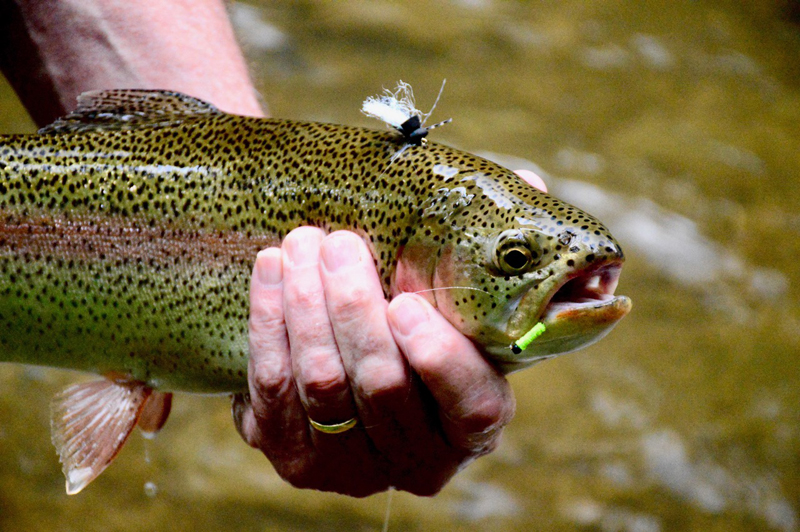 If you are a dry fly fanatic you are missing the boat if you don't attach a trailing fly off of your dry fly. If you are fishing during a hatch with rising fish and the fish are taking the dun and the emerger, or you don't know what they are taking, it's the perfect time to trail an emerger or nymph behind your dry fly. If there are multiple hatches on, then I like to trail a smaller size dry fly. A trout will often look at the larger fly and take the smaller trailing fly. Keep your tippet about 18” long so you can better control the drift of the trailing fly.
I really like fishing a dry fly and trailing an emerger to cover all of my bases just in case the trout are focused on the emerger or smaller fly. Because both flies are about the same weight you can get a good drift with this method on both the dry and the emerger. Switch up the drop fly to include soft hackles, pheasant tails (PTs), and other nymphs.
Hopper/Dry Fly Drop
When I use this method my primary focus is fishing the nymph. Select a hopper or dry fly that will float well enough not to sink from the weight of the nymph. I'm basically using the hopper as my strike indicator and searching to see if the trout are looking up. If I have more strikes on the hopper I will take the nymph off and just fish the hopper. It's almost impossible to get a good drift on the hopper because of the trailing nymph. The primarily focus is on the nymph. If the trout are taking the nymph and not the hopper/dry I will switch to a two fly nymph rig with a Dorsey indicator.
Several years ago I was guiding a client who was fishing a big hopper with a copper john nymph as a trailing fly and he hooked a large brown on the nymph. As he was fighting the trout the hopper was just touching the surface of the water and another large brown hit the hopper. Two big browns on at the same time didn't last very long but it was really cool to watch it happen.
Large Cathy’s super beetles, hoppers, and large stimulators and are my go-to choices when I'm using the hopper/dry drop. Match the size of your tippet to the fly size. Using too small a tippet on a large foam hopper will twist you leader. A 4x tippet or even a 3x with prevent that from happening.
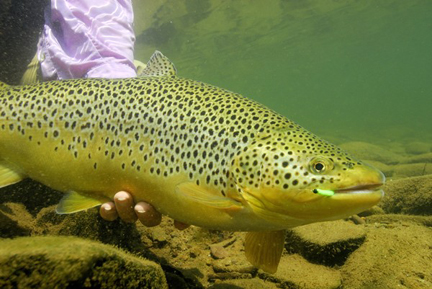
Nymphs like copper johns, PTs, green inch worms and even an ugg bug can produce some good bows and browns in the early morning or late evening.
When using a smaller hopper/dry such as a smaller Cathy’s beetle, foam ant or hopper pattern I use size 16 to 20 nymphs like a green inch worm, rainbow warrior, copper johns, PTs, or lighting bugs. Using flies this small requires your tippet to be 5, 6 or 7x. This a great way to float small nymphs through a run or quite pool without hanging up or spooking the fish.
Anytime you start adding flies, split shot, strike indicators or trailing flies it affects how you cast the fly line. If you are new to using this method try fishing a small riffle where you are casting a shorter distance so you can learn how to adjust your casting stroke. Open up your back cast and keep the line tight in your back and forward cast to help prevent the flies from tangling.
In summertime conditions you need to have more stealth as you are approaching the stream. Keeping a low profile and wearing earthy colors is very important. Start early in the morning when the water is the coolest and fish the shaded pools and riffles. Don't stay too long in one pool. Pools and runs are only good for a few fish and you are limited on the number of casts per pool.
June, July, August and even into September trout can be feeding off the top as well as anywhere in the water column. With not many mayflies this time of year a hungry trout will eagerly take a juicy terrestrial floating down the stream so why not have the best of both worlds by fishing the hopper drop method.
We are already four months into the season. Time does fly when you're having fun. Here on Fishing Creek water conditions are great and guiding has picked up a bit. I hope to have a few photos for the blog next week.
Jim Kukorlo
Head Guide
RIO's Viewer's Choice Awards 

The 2019 RIO Amateur Fly Fishing Film Awards is now over. With 41 great entries, more than 32,000 views, and over 5,000 votes it has been the most successful RAFFFA year ever.
Now RIO needs your help in selecting the overall “Viewer's Choice Award” winner. Follow the link, watch the Grand Final films, and vote for your favorite overall film! The winning film maker will win $1,000 worth of RIO, Sage and Redington gear of their choice.
You only get a single vote from each IP address so use your vote wisely! We'll announce the winner.
Have fun viewing and voting!
https://www.rioproducts.com/learn/make-the-connection/rio-film-awards
Tying the Crackleback by Tim Flagler
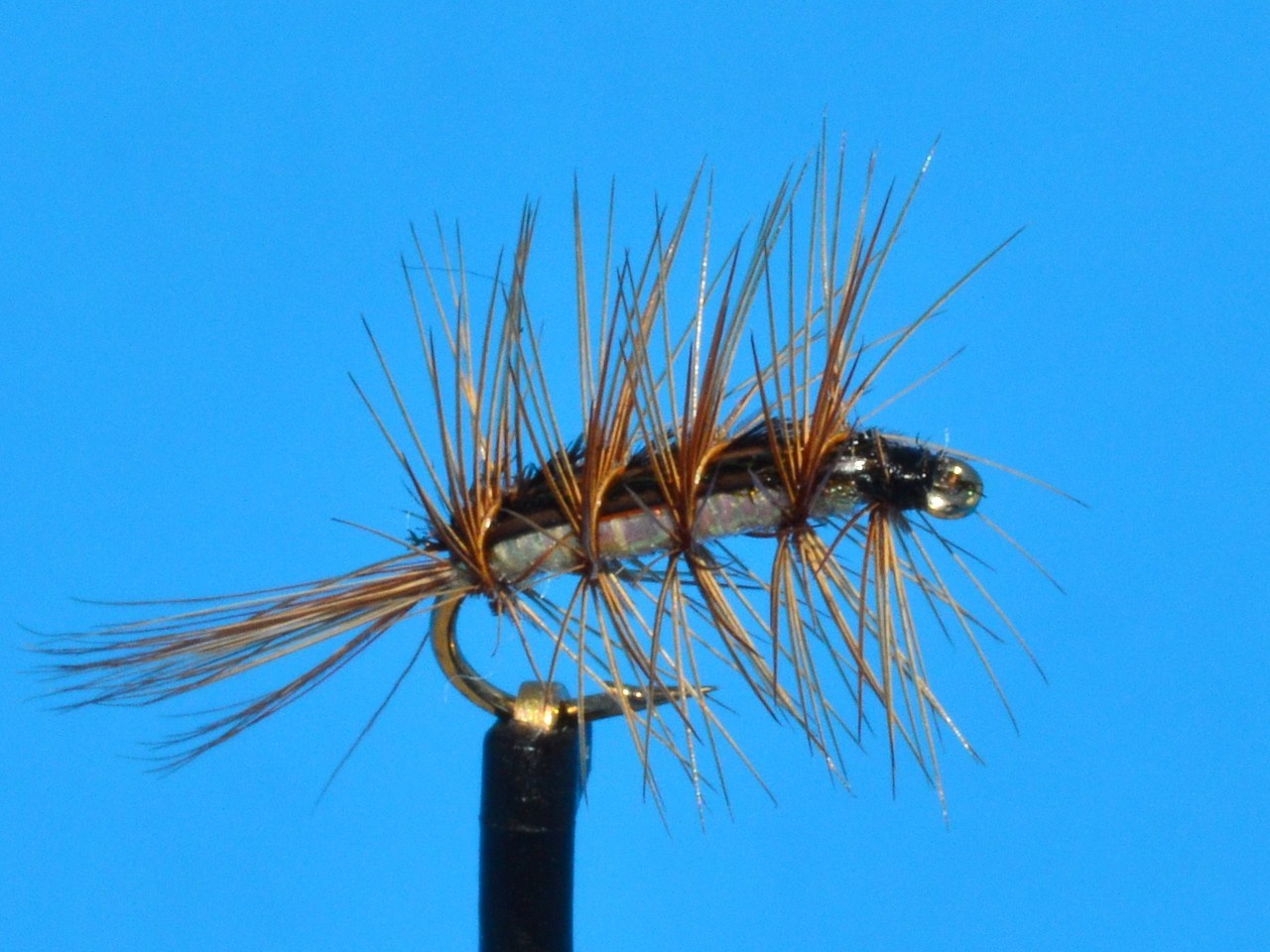 What Jim didn't tell us in his story above is that one of his favorite summer flies is the Crackleback (I have the inside scoop). Watch as Tim Flagler takes us through tying it and then make sure you have a few in your summer fly box!
How to Tie the Crackleback with Tim Flagler. Midcurrent & Marshall Cutchin
https://midcurrent.com/videos/how-to-tie-the-crackleback/?utm_source=MidCurrent+Fly+Fishing+Email+Newsletter&utm_campaign=c9b46e3c97-EMAIL_CAMPAIGN_2019_06_12_19&utm_medium=email&utm_term=0_8efbf3b958-c9b46e3c97-18929377&mc_cid=c9b46e3c97&mc_eid=bb6eaedbe9

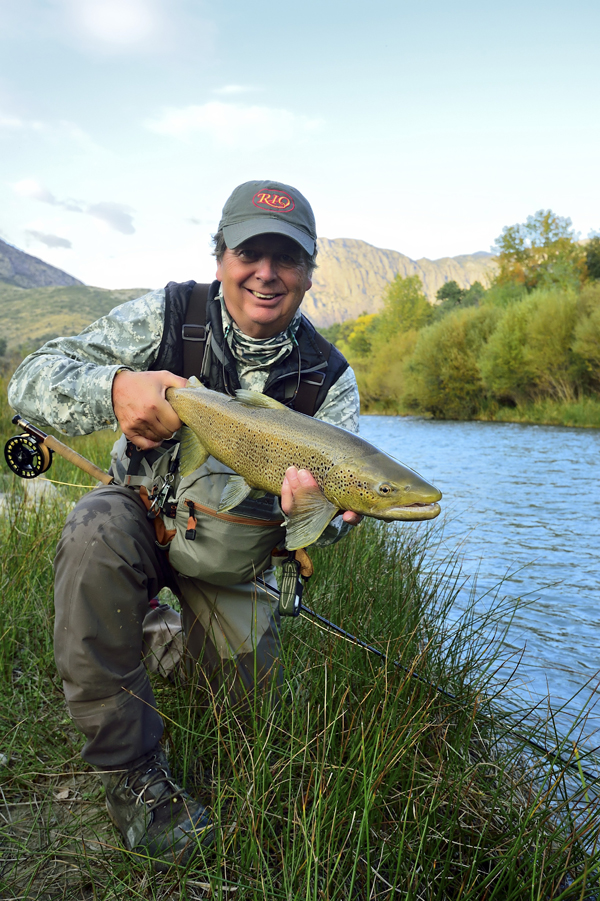 A room just opened up for our trip to the Pyrenees for a week of beautiful fall fishing, October 4-11, 2019. There are lots of pretty places to fish in the fall and the eastern Pyrenees is one of them. Our week will include a variety of fishing experiences – high mountain freestone streams, spring creeks, larger streams, and tailwater fisheries. Browns, rainbows, an occasional brook trout, wild zebra trout and barbel. Cool mornings and warm afternoons make this a very special time of yea

 We still have a room or two on the Bighorn this summer. Either August 22-29 or Aug. 29 – September 5. It's a great time to be on the 'Horn. We've been doing this departure for more than 30 years and this river still amazes us. No two years are ever the same. It's the end of the summer, fall is in the air, and it's a beautiful time of year to be in Montana.
 sun is trying its best to make an appearance on this early morning and because we have had a wet spring and early summer, it's a welcome sight. Inch worms are most active on hot sunny days and our extended forecast promises sunny days and warm weather. My fly box is full of sinking inch worm pattens
 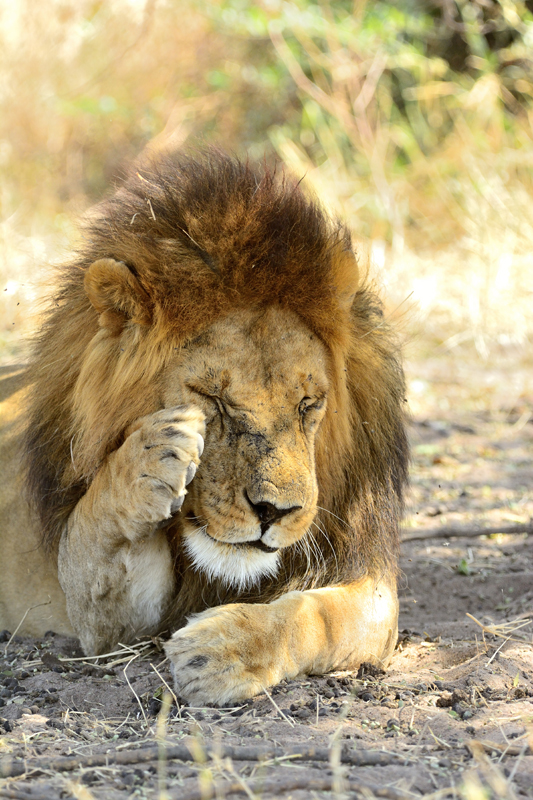 We have had a last minute cancelation for our East Africa safari, July 26 – August 9. We're trying to help these people recover some of their money so if Africa has always been on your Wish List, this is a great opportunity at a substantial savings. The best appointed lodges and best preserves.

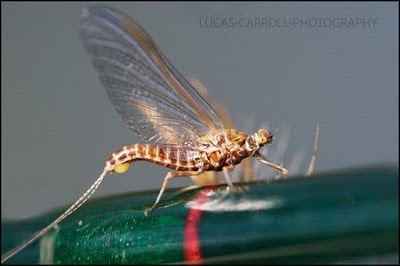
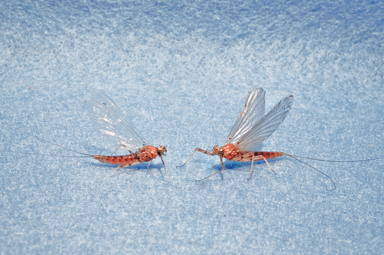 Sometimes duns and spinners can be on the water at the same. When there are duns, you can see the trout eating the adult insects on the surface. When a trout is eating a spinner the rise can be deceiving. The spinner is dead and not moving so the trout simply sips the dead insect slowly into its mouth. These rises can be hard to detect especially in the late evenly hours. I always carry a pair of binoculars in my pack just for occasions like this.
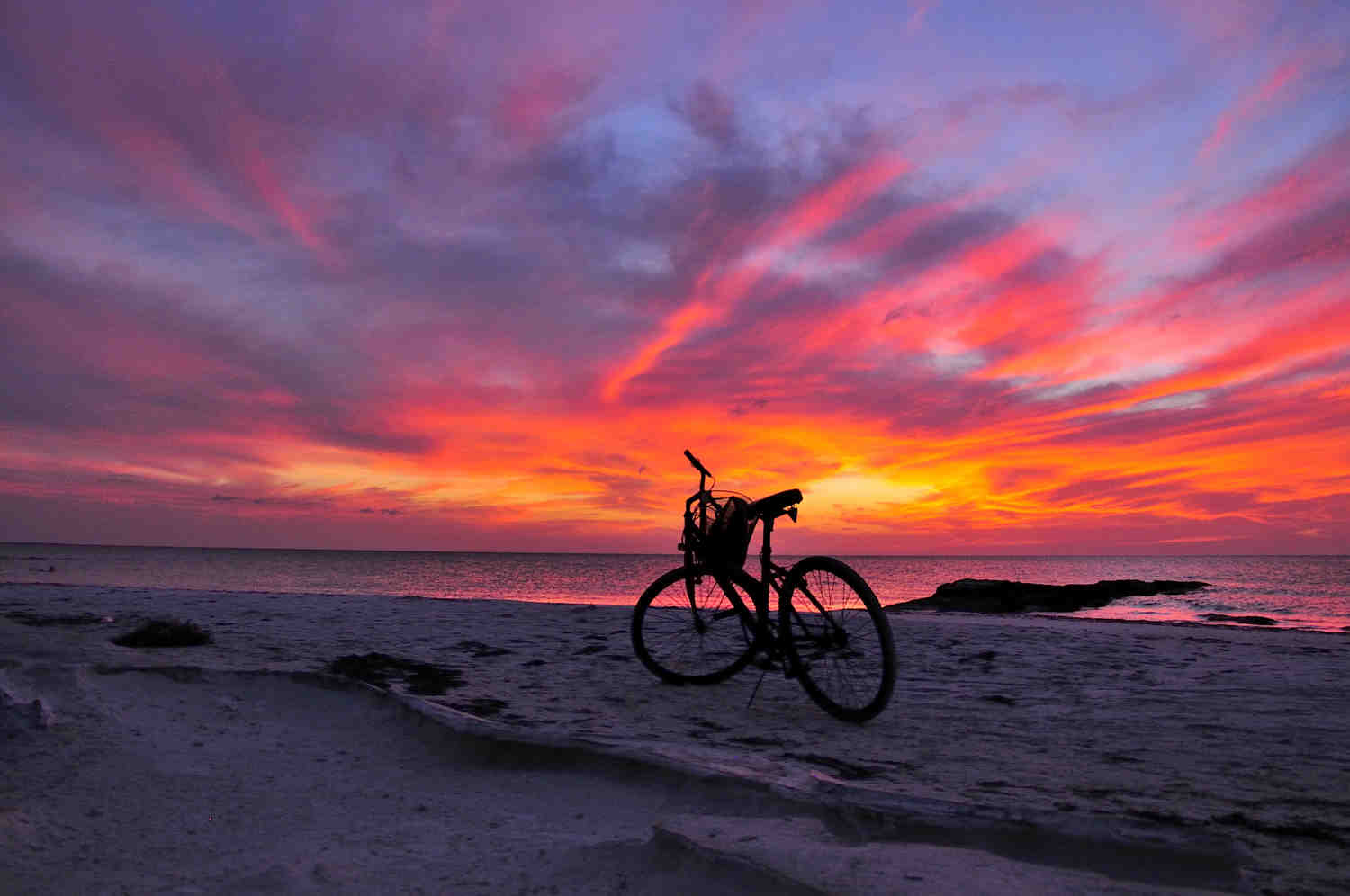 Meanwhile back at the office we are busy with 2021 calendar submissions. One of the calendars we submit to is “Inspirations” and while working on Barry's submission and admiring the images we decided that we want to share the photos with you so we've put them in an album for all to enjoy.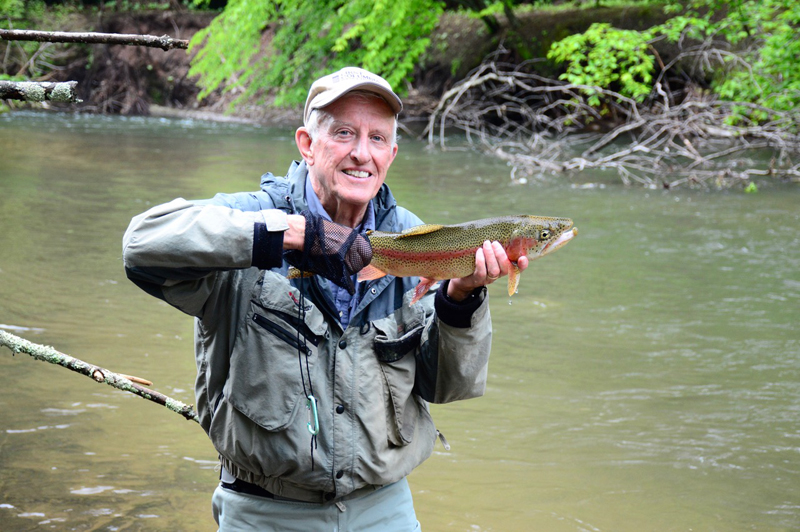
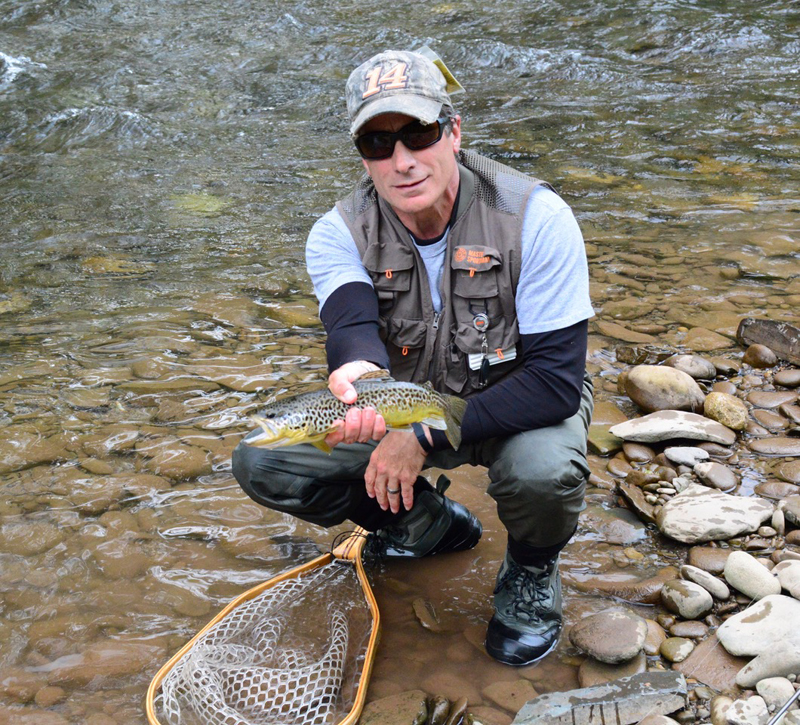
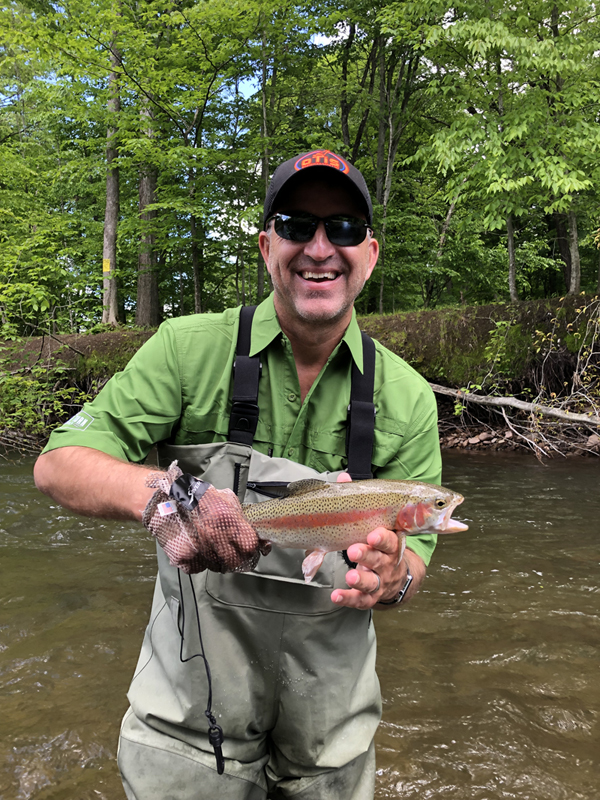


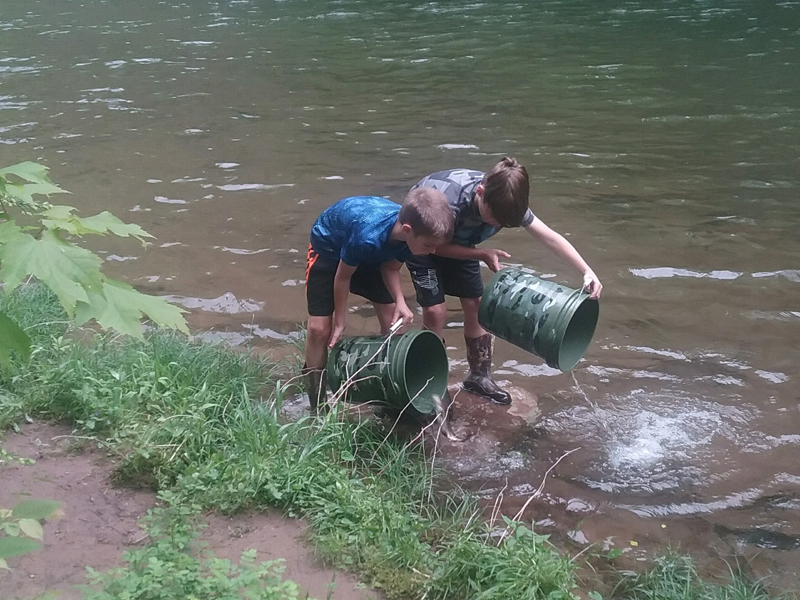
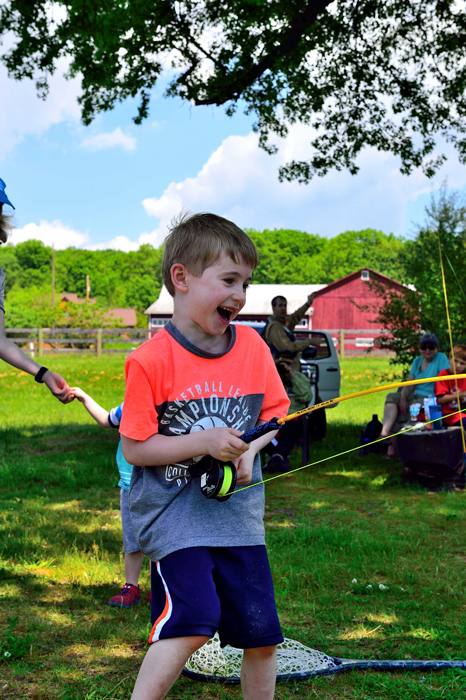 We adults have to make the opportunities available to our kids and then stay involved with them. There is a lot to distract these days, but fishing opportunities do come along and it's up to us as parents, grandparents, councilors, teachers, family friends to make sure the kids get the chance to participate.
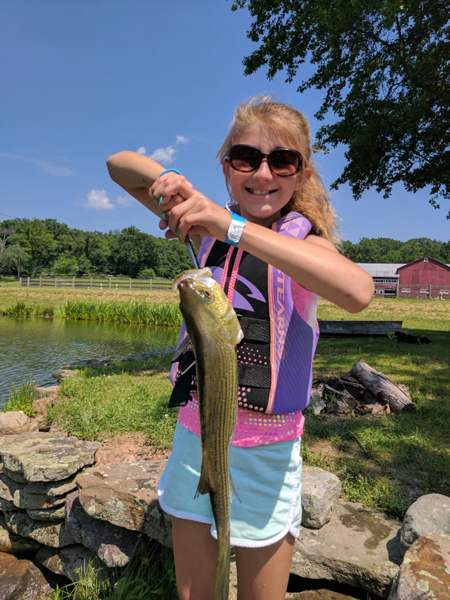 kids or the neighbor? We hope so! We wish you all a Happy Memorial Day. Get out and Enjoy!
 We've got a few spots here and there on the rest of our 2019 trips and we'd love for you to get in on the fun. Here's what we have coming up:
 Your Line Hand. Domenick Swentosky's tip #49 (of 50) reminds us of how important our line hand is and gives up tips on stripping flies, shooting line, and all the things our line hand does without thinking about it – and we get some tips on how to do all these things better.
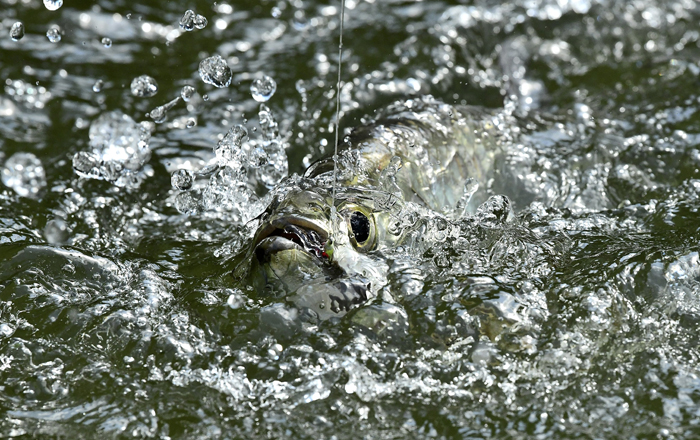 Last week found us at Belize River Lodge with amazing weather and perfect tides. We didn't put on a raincoat all week. You would think the fishing to be amazing – but truth be told, our group had a difficult week finding fish. The week got a little better toward the end, thank goodness. Thank you to an amazing group of anglers and the staff and guides at BRL who understand saltwater fly fishing and hung in there to make the best of it. We hope you enjoy the photos.
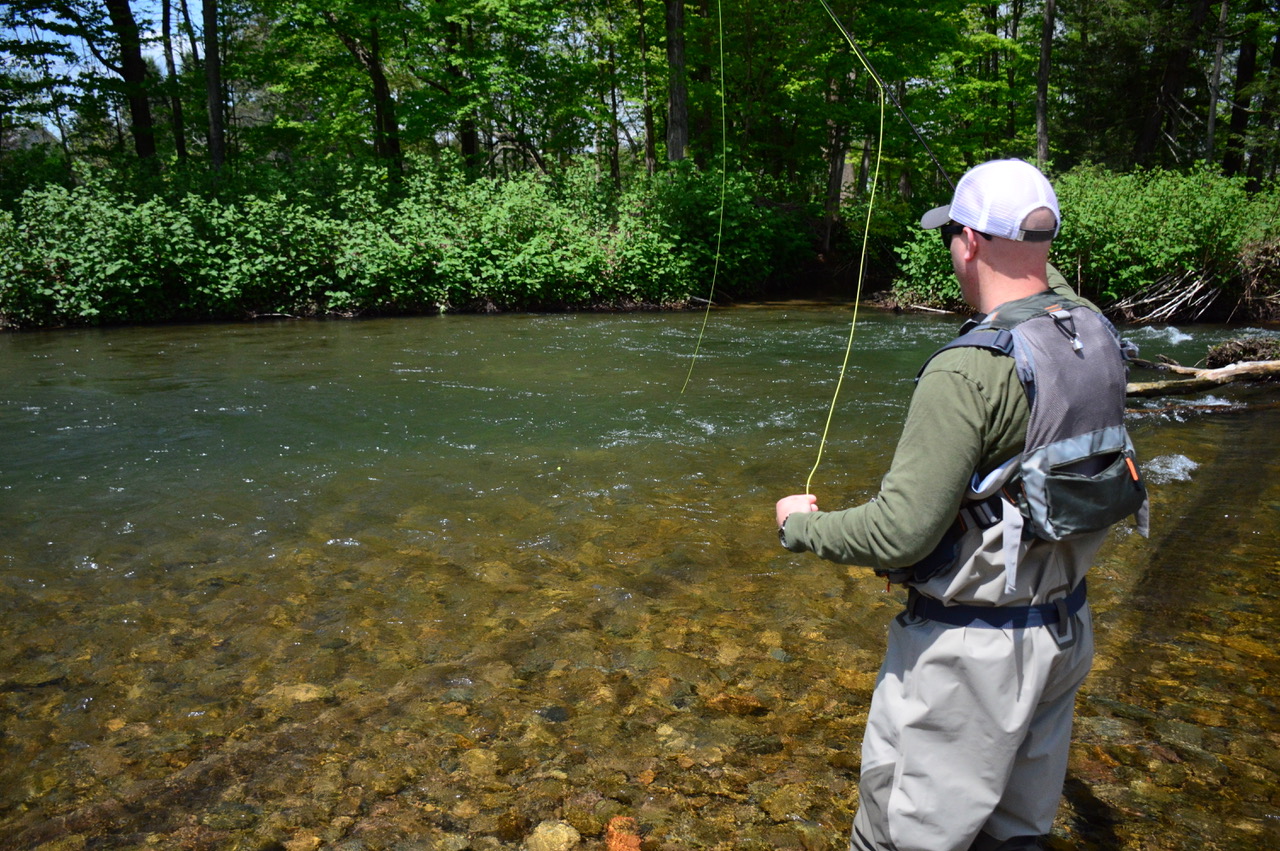 High Sticking is basically lifting your fly rod and extending your casting arm to lift your fly line off the water. Lifting the fly line off the water will help to eliminate drag and give you a better drag free presentation, allowing your flies to go deeper and be in better contact with your strike indicator. Did you catch the part about extending your casting arm? If you are using a 9ft fly rod by extending your arm out and up you now have a 11ft fly rod depending on the length of your arm. For sake of argument lets say you gain about 2ft. It's a lot easier to mend your fly line in the air then it is when the line is lying on the water.
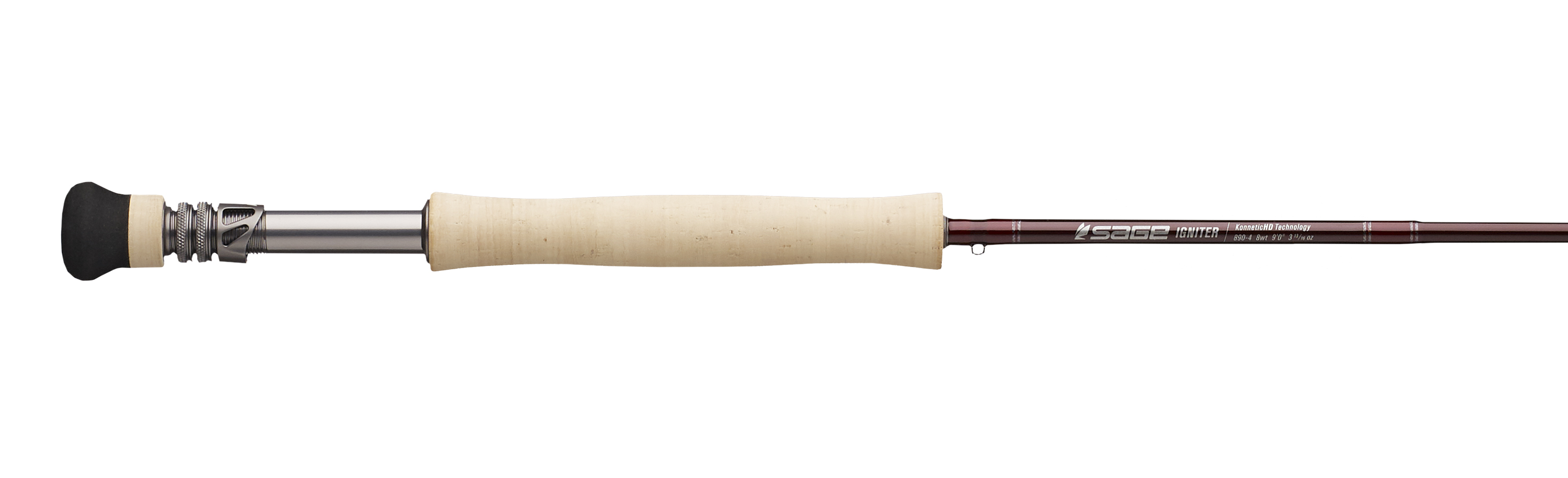
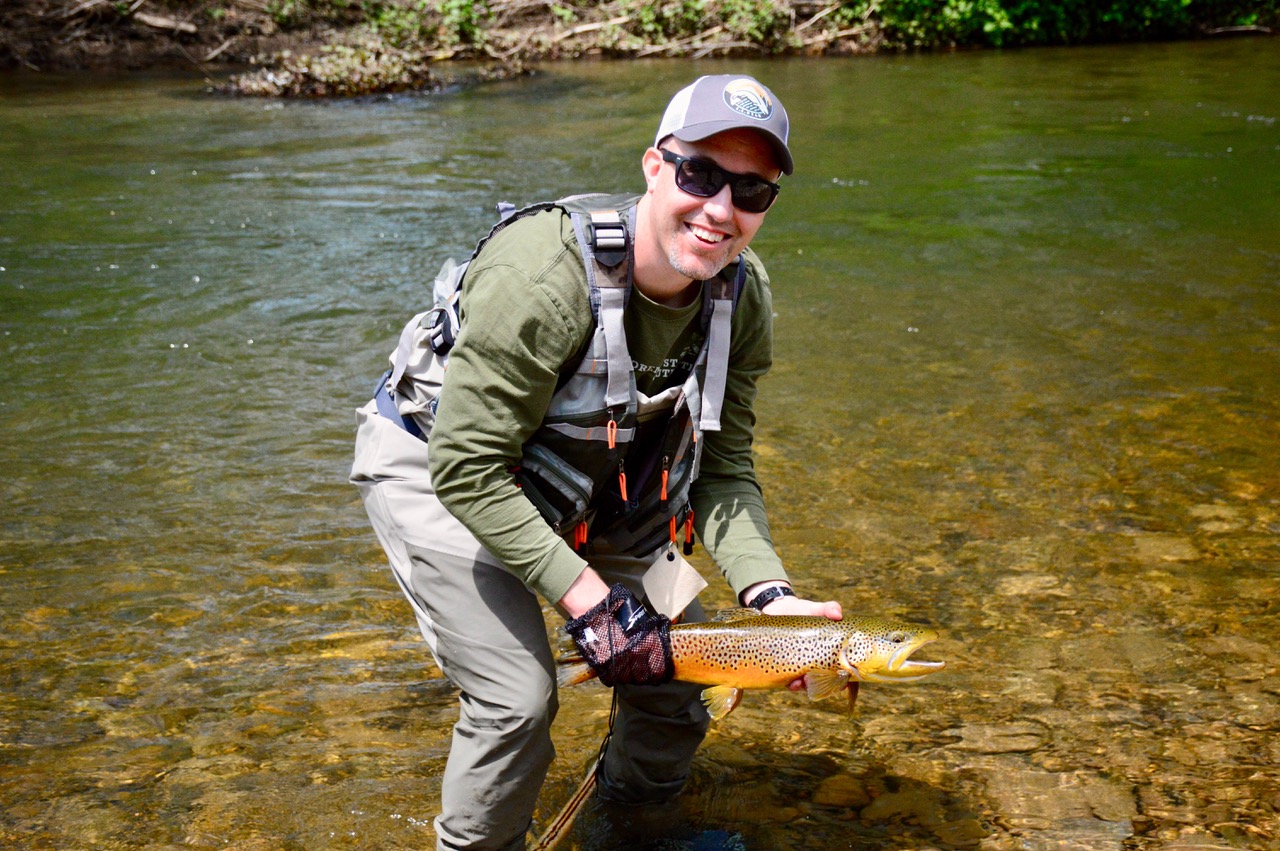 can damage the guides on the fly rod. Instead I simply attach the leader to the fly line with a clinch knot. It makes a slim profile and the leader will go through the guides without hanging up on the guides.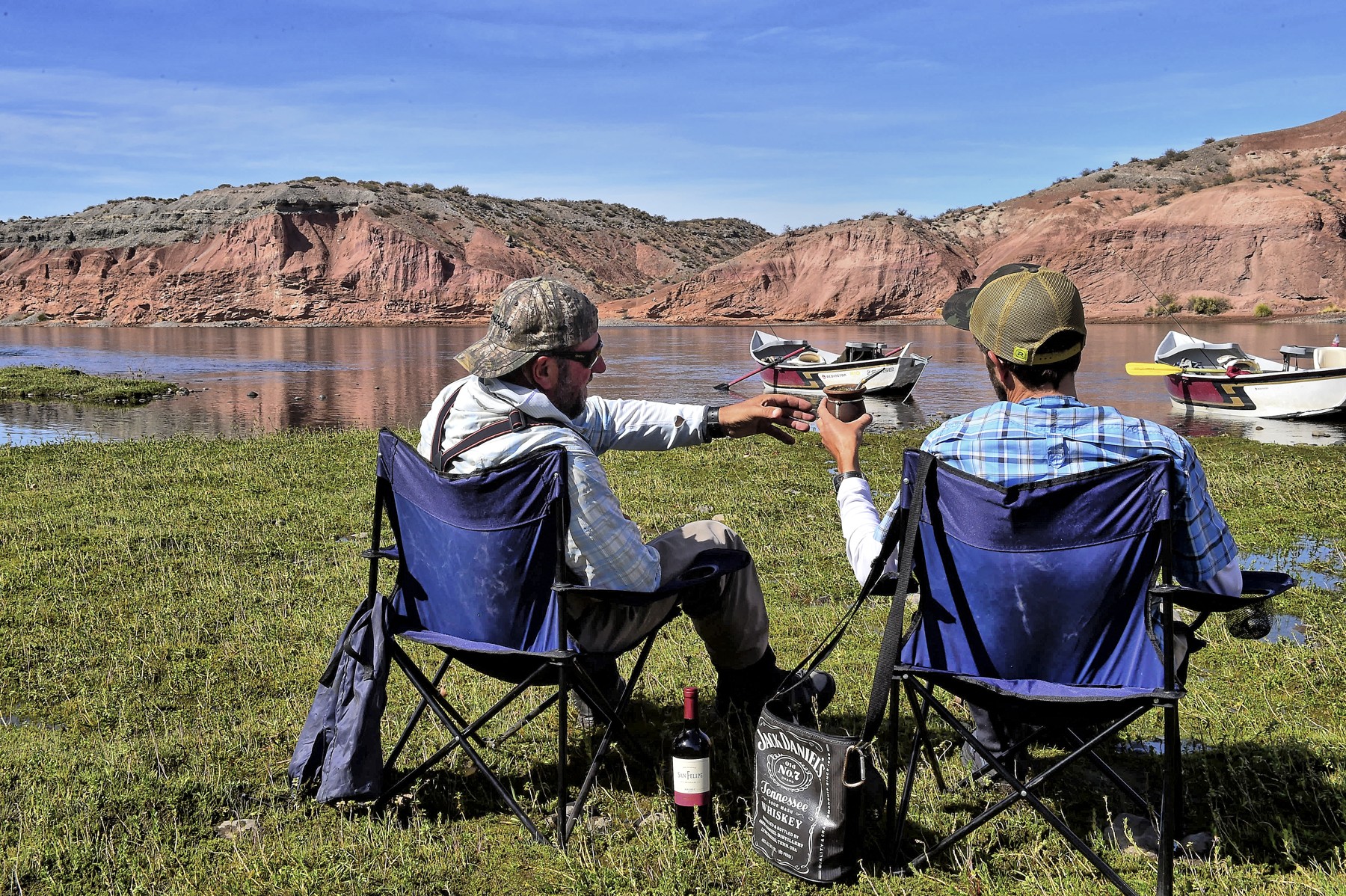

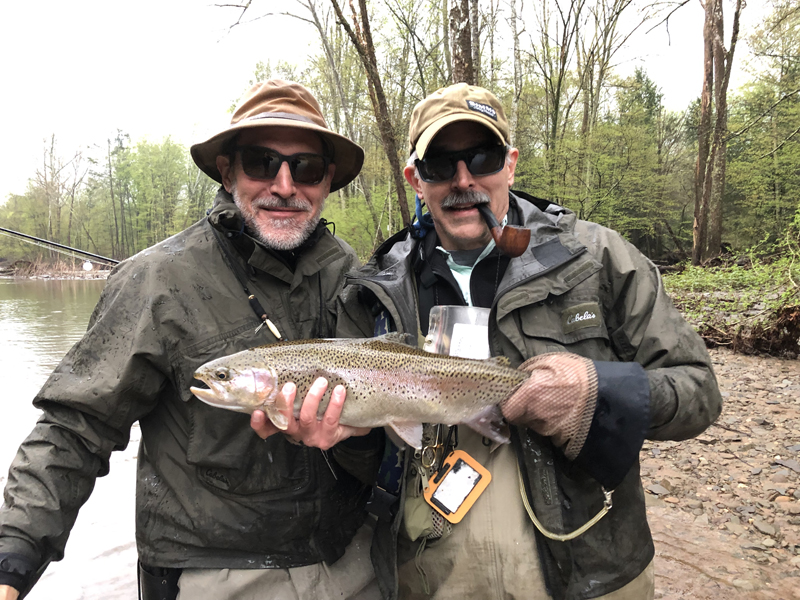
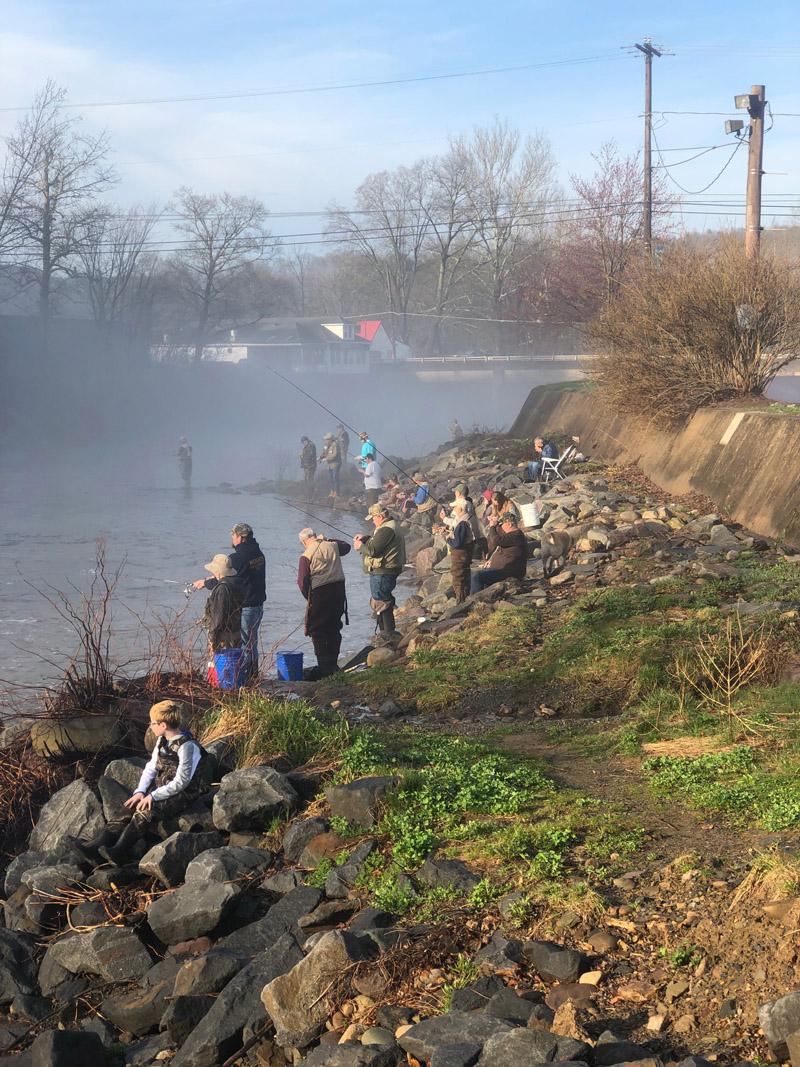 We kicked off mid-April with a beautiful weekend for the opening of trout season. Pictured here is our most popular fishing spot on opening day, the Benton Dam. Then the following week, just so we don't become too complacent, Mother Nature threw tornados (tornados in PA, you say?) at us in the middle of the night.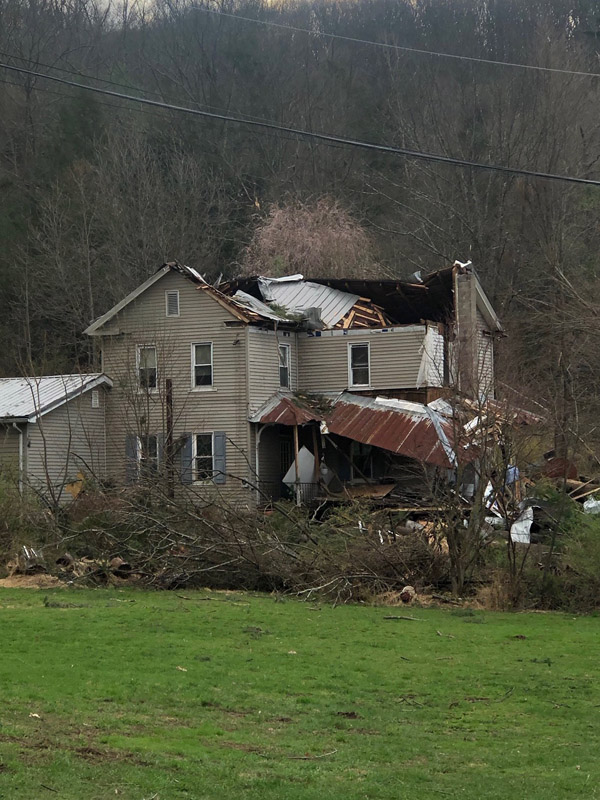
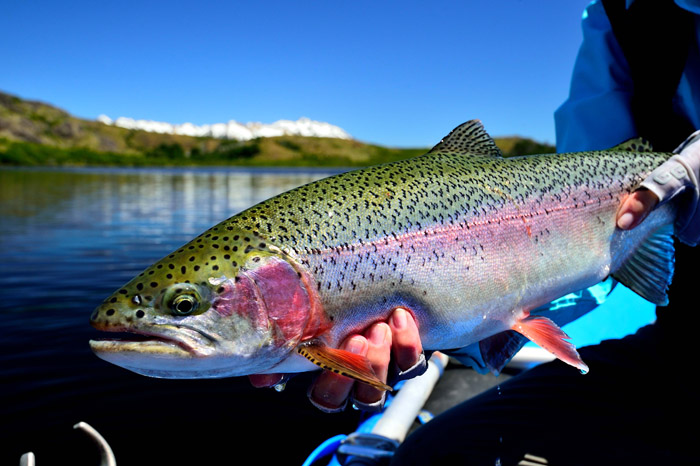 Tres Valles, Argentina, in the fall (their spring) is beautiful with full rivers, hungry fish, and snow capped mountains. Easy wading, float trips, spring creeks, small rivers, lakes. It's the fly fisherman's dream destination. You may not be a lake fisherman, we weren't either until we got to Argentina. Lakes are different here, clear, cold, with hatches and big fish. With spectacular scenery and rising fish, lakes here can be a lot of fun.
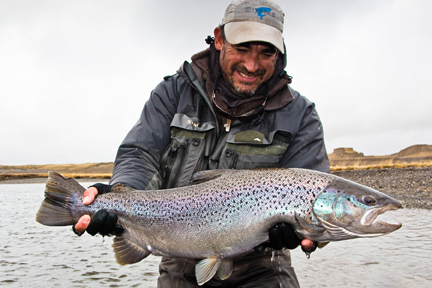 We're very excited to have a week at Estancia Villa Maria in Tierra del Fuego next March 13-20, for sea-run brown trout. This small, 6-guest, lodge is sold out annually and for years to come. It is only by a stroke of luck that we were able to get a week here and it may not happen again.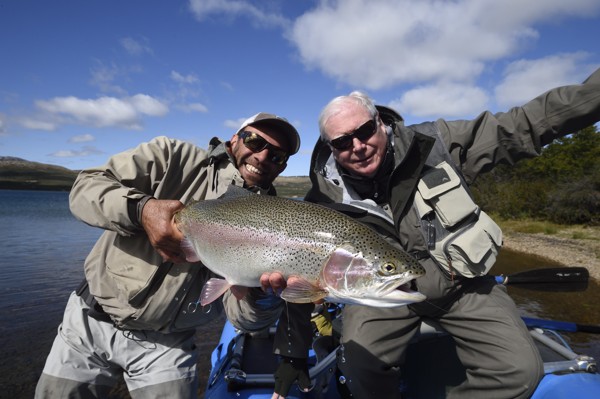
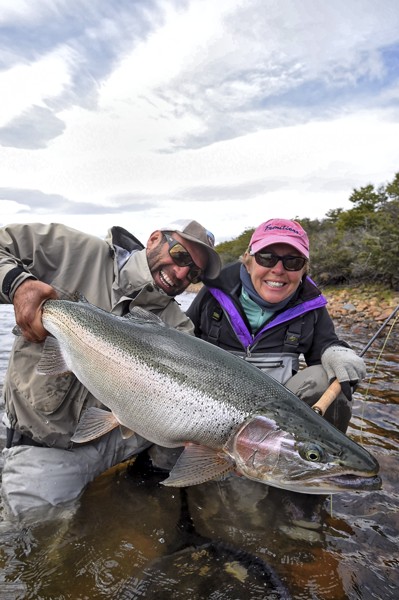

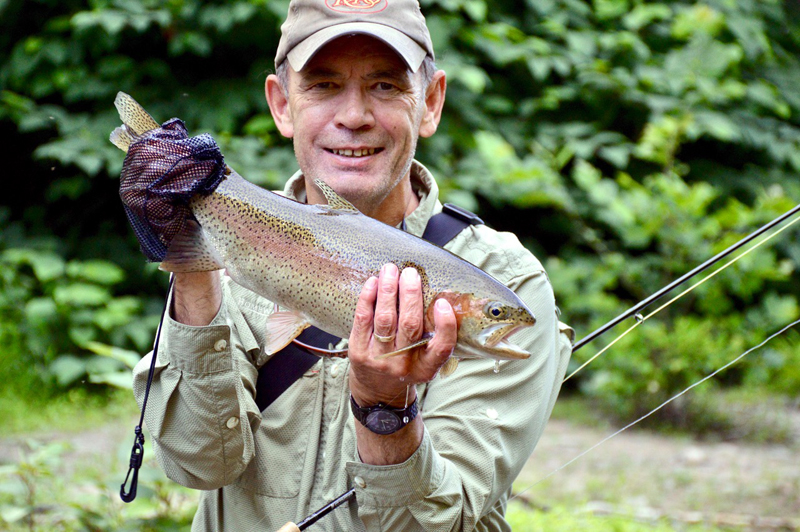 This might sound like a tough question to answer. But it is a situation that I do find myself in from time to time. Not only when I'm guiding but when I'm fishing too. I know the water well and I know the fish are there but they are simply not biting.
 This week
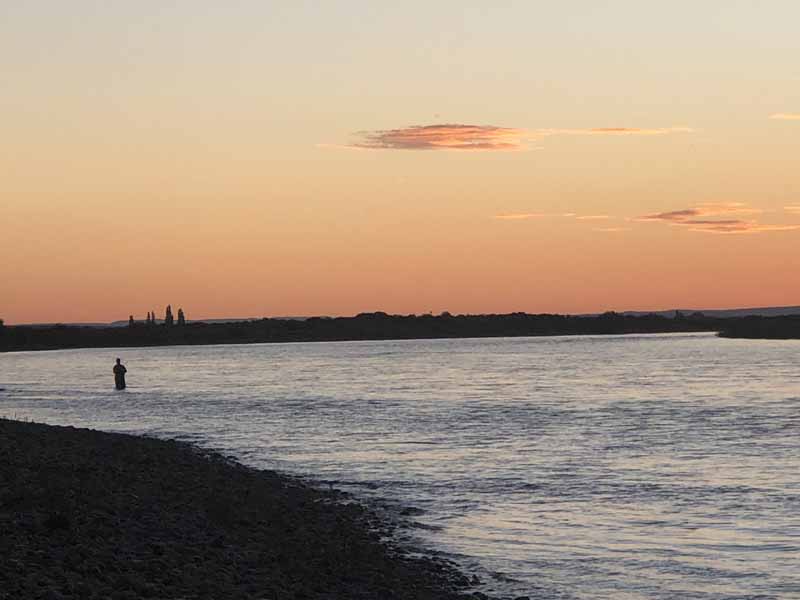 Cathy & Barry are wrapping it up on the Limay River in Argentina and have two more days of fishing before starting home. They have visited three destinations— Tres Valles, San Huberto, and the Limay, and have not put on raincoats the entire time! Weather has been good and their guests are taking home great memories of good times and good fishing. We will have more when we get Barry’s photos home and edited.
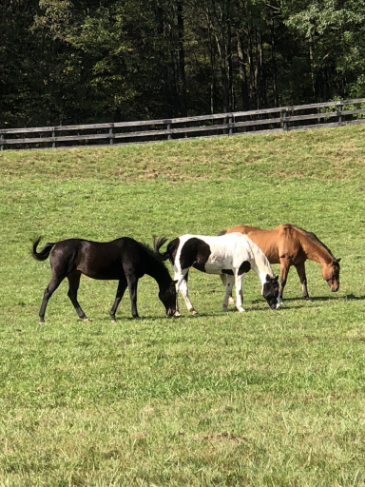
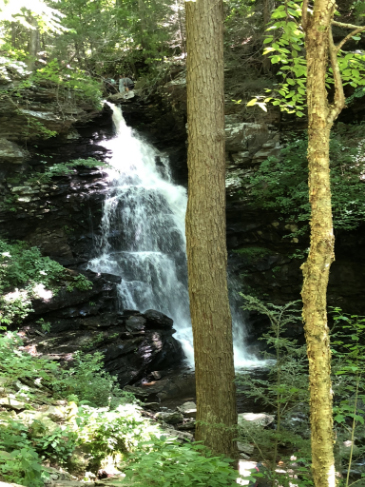
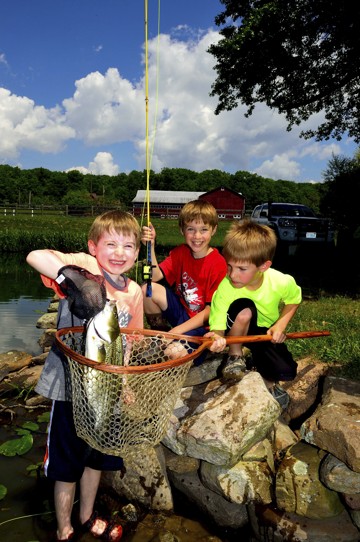 There is something for everyone – fly fishing, kayaking and fishing on the pond, grooming the horses (and giving them treats), gather eggs, eat beans from the garden, learn about the woods, do the waterfall trail, and lots more – wind down at the end of the day around the campfire and then sleep under the stars.
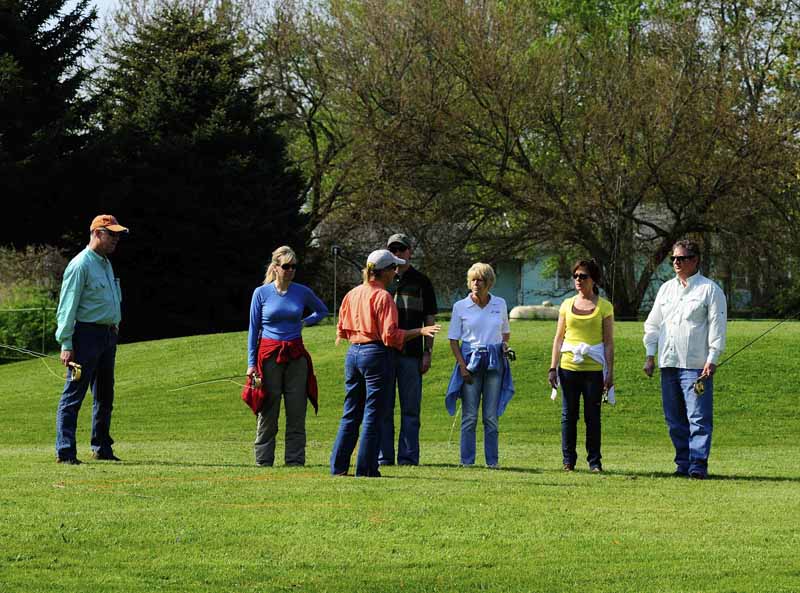 We've been busy here this winter and are excited to announce our expanded
 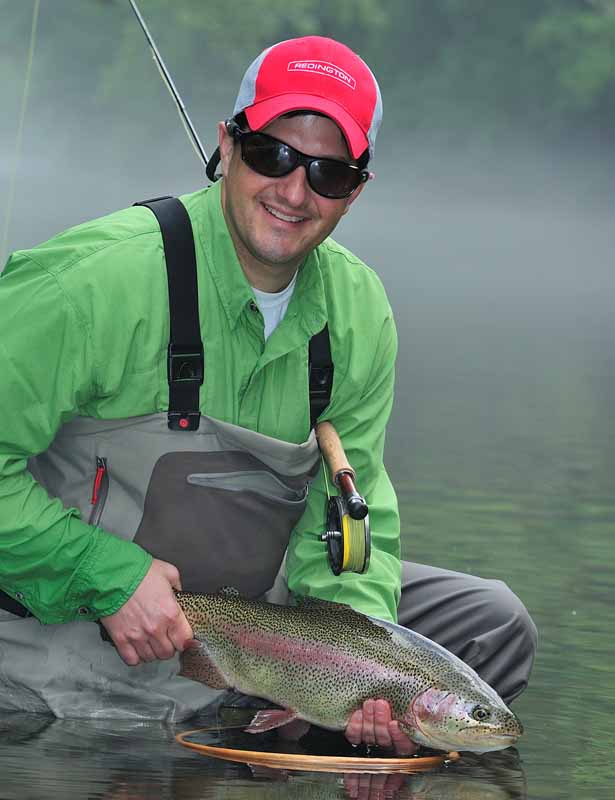 day on the stream with a guide. This is already proving to be very popular.
 Take a look around our website and contact us if you have any questions at all. We're scheduling now for Spring & Summer!
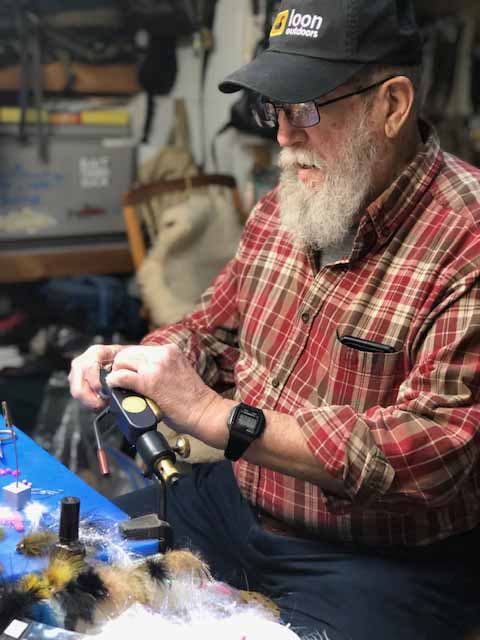 his parents sporting good store – and later ours, Berwick, PA. He owned a small company called Cahill House which sold bamboo rods and flies, and probably other things but I don't remember. What I do remember from those early days is that neither his mom or dad had an inkling about fly fishing, but their son did. Barry was also working for Letort Limited, in Boilings Spring, PA, at the time and ran the little fly fishing department at the store on weekends. His mom (not to get off track) was in my mind an expert in guns, reloading, and ammunition. It's funny because I don't ever remember her shooting a gun but she knew her stuff when it came to reloading. Anyway, Jim Smethers was tying flies for Barry when I met him in 1979, and he's still tying for us today.
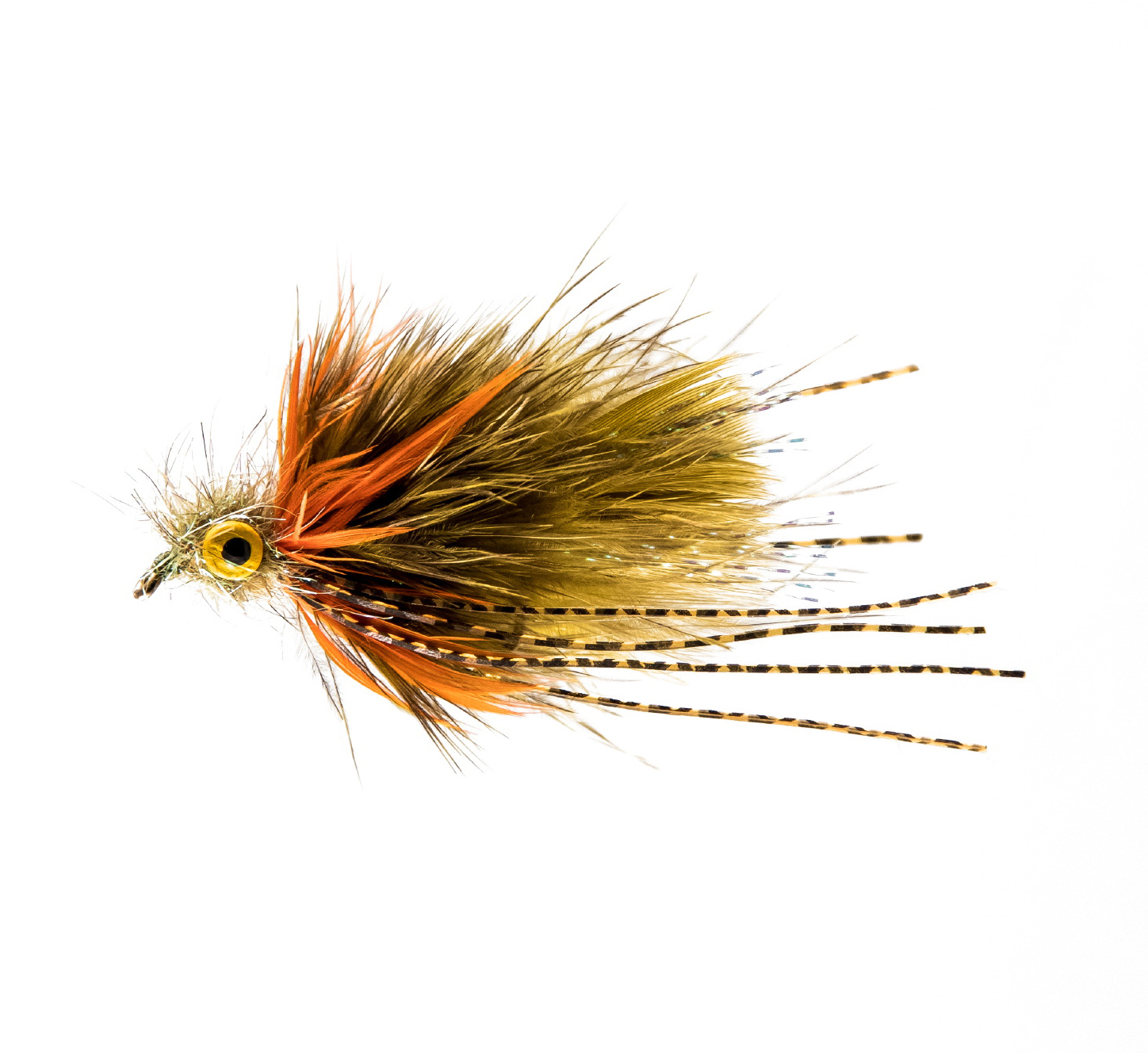 doubt our most popular pattern with the super beetle running a close second. The super bugger is a great early season fly because it has weight and bulk which makes it very effective in deep, fast, cold water. Strip it slow or dead drift and hope for a lethargic hungry fish to see it coming. But anyway, I'm not talking anymore.
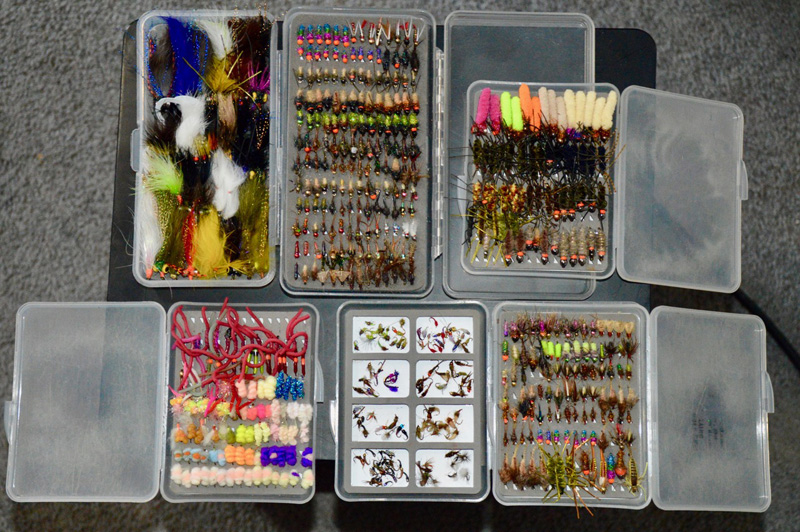 Now I really like the slim fly boxes that you can buy in small, medium and large sizes to fit into my sling pack or fishing vest. Four small slim boxes and two large slim boxes fit nicely in one compartment of my sling pack. I also have one medium size slim box that is magnetized for my size 18 to 22 size nymphs. These boxes are so thin that I can even carry an extra one in the small pouch in front of my waders. The boxes have a clear top so you can see the flies in the box, or you can write on the box with a magic marker.
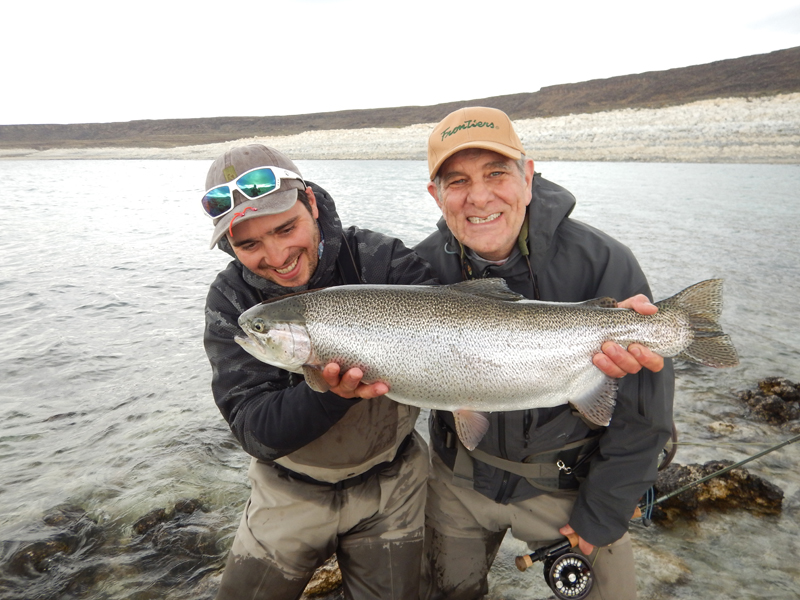 We have a few more photos from the group who was with us at Laguna Verde, aka Jurassic Lake, that we missed adding last week. More big fish!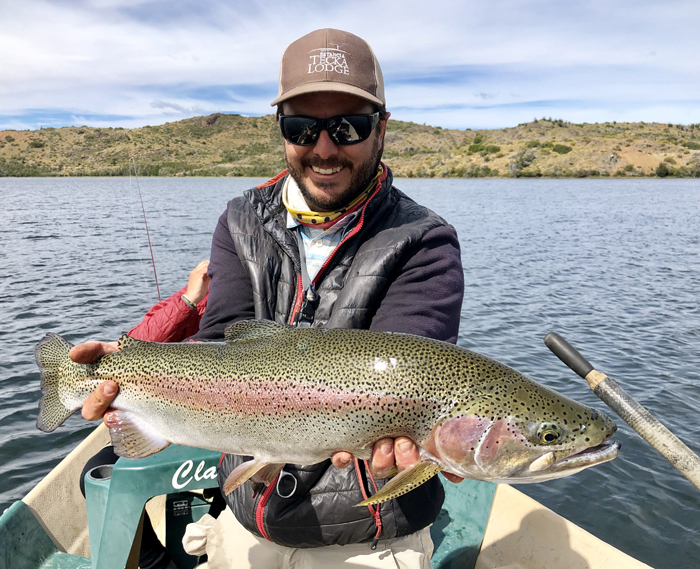
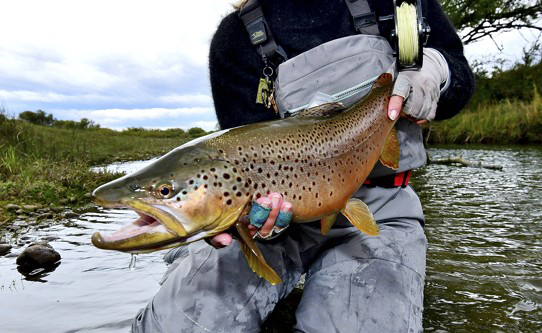 Limay River Lodge, Argentina
 From the looks of the fly orders going out the door, a lot of you are planning trips to the flats. Lucky you. It's a great time to get out of winter and enjoy some tropical fishing.
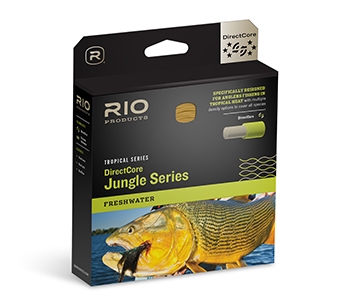 tropical conditions. The